
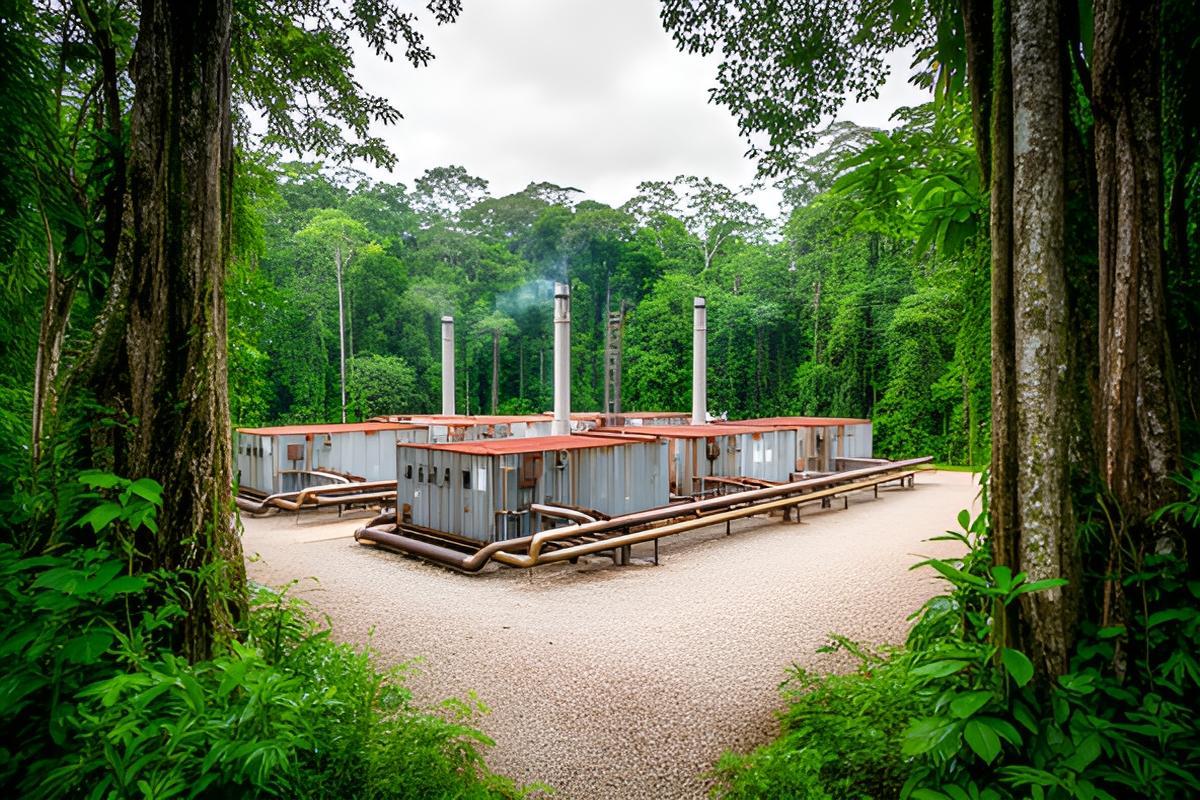
Aggreko has taken full control of thermal power plants in the interior of Amazonas, expanding its presence in isolated grids with a focus on efficiency and innovation.
The energy transition is entering a new chapter in Brazil’s Northern Region with a major corporate move. Multinational company Aggreko has finalized the acquisition of six thermal power plants previously owned by Brasil Bio Fuels (BBF), adding 11.4 MW of installed capacity in hard-to-reach areas.
With this completion, the company now holds 100% ownership of the Consórcio Geração Amazonas (CGA). This move consolidates a robust structure of 32 plants and 149.1 MW under direct management in the state’s isolated systems, which are essential for supplying communities not connected to the National Interconnected System (SIN).
Geographic Expansion and New Technologies
The newly acquired units are strategically distributed across municipalities such as Tabatinga (in the district of Belém dos Solimões), Atalaia do Norte (Estirão do Equador and Palmeiras do Javari), Benjamin Constant (Feijoal), as well as the localities of Envira and Ipixuna.
The integration of these plants paves the way for the implementation of advanced energy management technologies. The company intends to apply a hybridization model in these locations, combining thermal generation with clean sources such as solar energy, accompanied by battery energy storage systems.
Smart Monitoring and River Logistics
To overcome the geographic challenges of the Amazon region, the operation relies on cutting-edge automation. Unit control is performed remotely using Core software, which monitors fuel consumption and machine performance in real time without requiring constant on-site visits.
In isolated systems, there are localities that still need solutions to guarantee power supply. Aggreko has the expertise to operate in regions where infrastructure and logistics demand a different operational model. This knowledge allows us to pursue more efficient solutions tailored to the needs of each location.
Local infrastructure is supported by approximately 250 employees in the region, including the administrative base in Manaus. The movement of teams and supplies relies on complex river logistics across Amazonian rivers.
Next Steps in the Clean Energy Sector
Existing contracts ensure the uninterrupted operation of the generators for the next eight years, providing stability for local residents.
The company’s strategy in the region demonstrates how the transition to clean energy in remote areas requires a combination of digital technology, operational efficiency, and logistical adaptation, paving the way for future sustainable projects in the Amazon.