
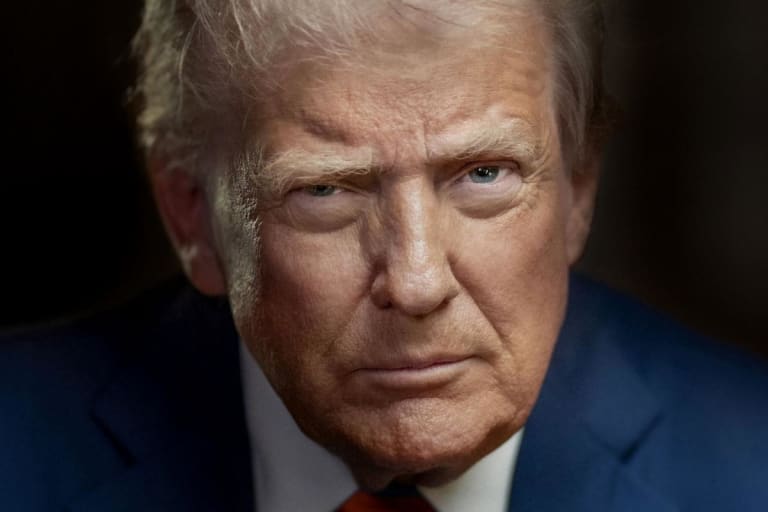
US government mandates federal agencies to replace the term artificial intelligence with superintelligence, a move seen by experts as a communication strategy and a bid for technological leadership.
The United States government has officialized a direct change in the vocabulary used across the federal public administration. Through a new executive directive, President Donald Trump established the replacement of the traditional term artificial intelligence in state communications.
Since September 29, executive branch agencies in the U.S. have been required to adopt the terminology Super Intelligence (SI) in new official documents, informational portals, and government reports, retiring the phrase Artificial Intelligence (AI).
However, the measure has a strictly administrative scope and does not impose obligations on private technology companies, universities, or foreign governments. The move has sparked debates regarding its impact on the innovation market and its geopolitical goals.
Practical applications and limits of the new order
Executive Order 14434 establishes that informational materials and non-statutory guidelines within the public framework must follow the new language standard.
Historical documents, previously executed contracts, and established legal regulations retain the old nomenclature, without any need for retroactive revision.
Furthermore, global innovation giants such as Google, OpenAI, Meta, Anthropic, and Microsoft remain free to name their products as they see fit.
Legal aspects and technical concept
Although the government’s official vocabulary has changed, the legal conceptualization tied to the topic remains unchanged in the U.S. legal framework.
The rule itself specifies that the term SI currently corresponds to the same technical specifications already outlined in federal code for AI.
A special advisory team on science and technology is expected to draft legislative proposals over the next 60 days to evaluate a deeper legal formalization.
Marketing and the battle for digital leadership
Academic experts analyze the initiative from different marketing and international policy perspectives.
For Cleber Zanchettin, a professor and specialist at UFPE, the change reflects a communication strategy with little practical effect on the terminology adopted worldwide.
“a marketing move to grab attention, with no practical effect”
On the other hand, researchers like Allan Pscheidt see the maneuver as a signal of sovereignty to assert leadership in the race toward artificial general intelligence.
However, experts warn that exaggerated terms could heighten public anxiety surrounding the rapid advancement of automation tools.
The transition promoted by the White House is already reflected in new government platforms, such as the America.gov portal, which has begun using the abbreviation SI.
Despite the political symbolism of the Donald Trump administration, replacing an academic concept created in the 1950s will depend on voluntary engagement from the private sector and the global scientific community.