
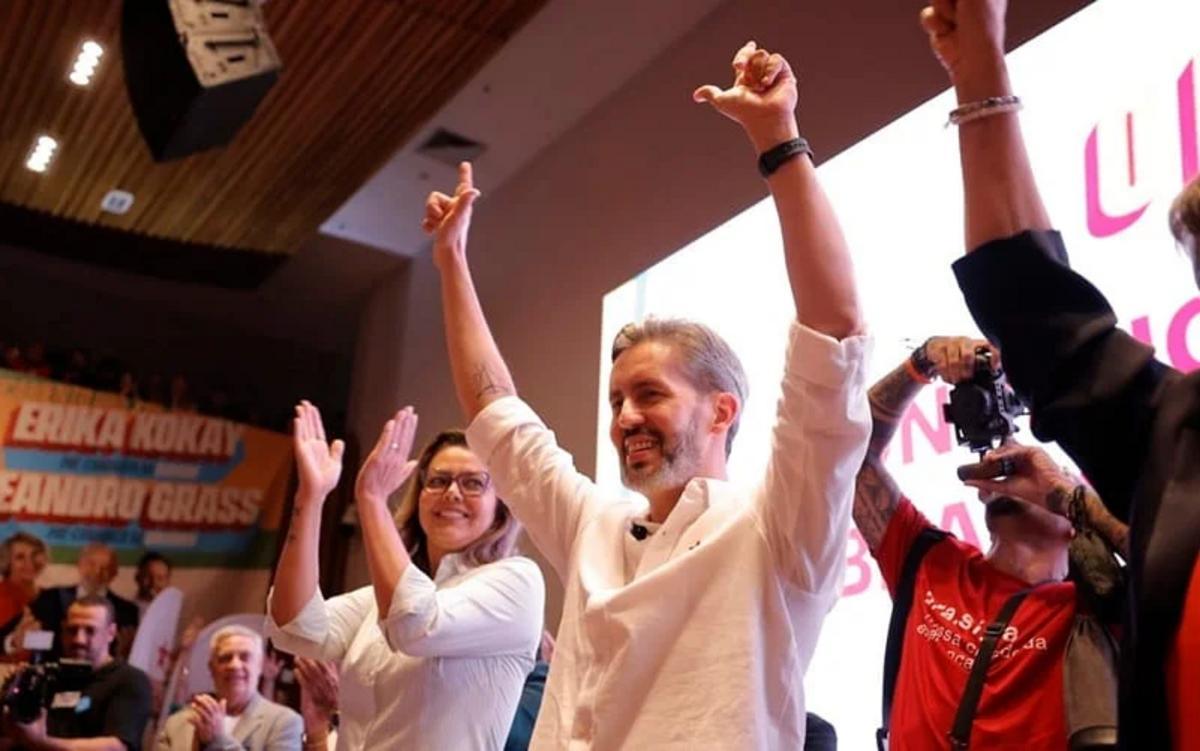
Leandro Grass prioritizes the land regularization of Vila Planalto in his campaign, proposing to transform the region into a new hub for tourism and economic development in the Federal District.
The final stretch of the race for the government of the Federal District is gaining new momentum with a focus on sensitive local issues. Candidate Leandro Grass (PT) toured Vila Planalto this Saturday, where he reinforced the urgent need to provide legal security to local residents through the land regularization of their properties.
Accompanied by his running mate, Dora Gomes, Grass sought to strengthen dialogue with the community. In addition to the stalemate regarding property deeds, the candidate heard complaints about the inadequacy of essential services, such as healthcare and education, and promised strategic adjustments to integrate the area into the regional development plan of the DF.
Tourism and Preservation of Historical Heritage
One of the pillars of Grass‘s government plan is the revitalization of Vila Planalto as a strategic tourist destination. The project envisions the restoration of iconic buildings, such as Fazendinha, and the preservation of the historic houses that make up the heritage of Brasília‘s construction era.
The proposal aims to connect the area’s historical value with the promotion of the creative economy. By strengthening commerce, including bars, restaurants, and the work of local artisans, the campaign is banking on a sustainable formula for job creation in the neighborhood.
“Public administration needs to look at the real demands of communities, offering legal security to residents and transforming the historical potential of our region into income and dignity for citizens.”
Challenges and Final-Stretch Strategy
The strategy adopted by Leandro Grass seeks to overcome the ideological polarization that dominates much of the electoral race. The candidate has used his background as a district congressman to validate the feasibility of his projects, criticizing the current administration in crucial sectors such as public transportation and basic healthcare.
With an agenda focused on walking tours and direct contact with the population, as seen at Ceasa and Vila Planalto, the ticket is trying to convert popular dissatisfaction into votes. The next steps of the campaign are expected to intensify the debate over the efficiency of the public administration, attempting to consolidate Grass‘s image as a manager capable of unblocking historical hurdles that affect the daily lives of residents in the Brasília area.