
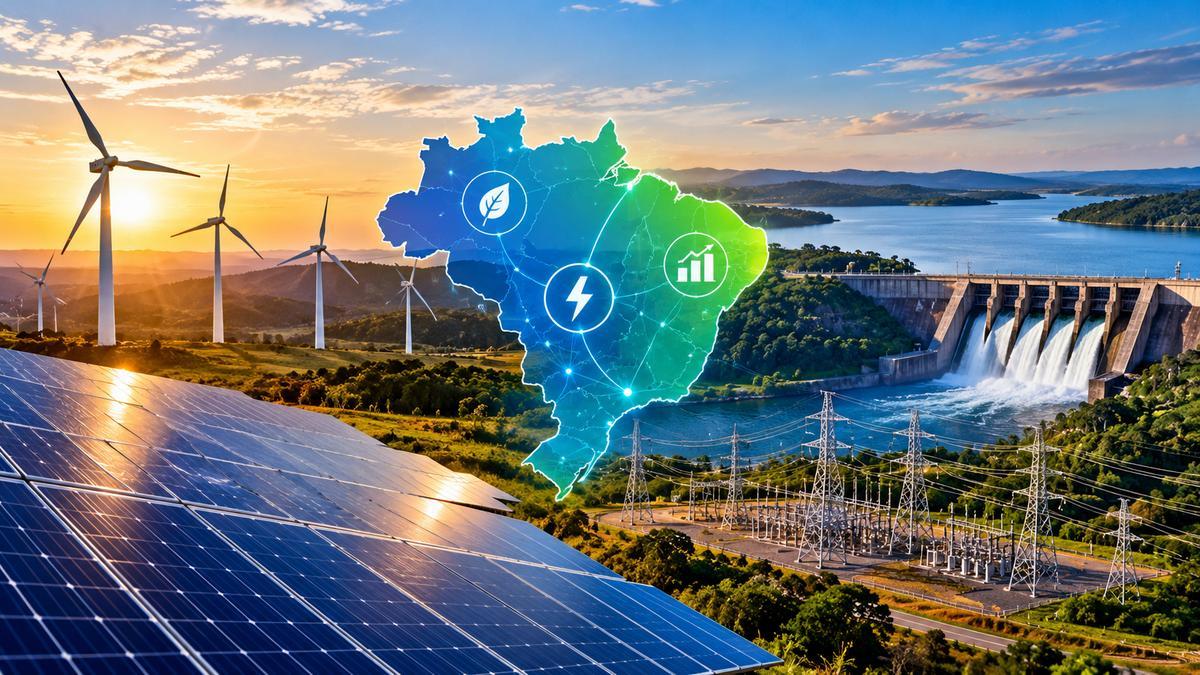
Brazil projects mobilizing approximately R$ 3.3 trillion in its energy matrix by 2036, driven by high demand for renewable sources, electric vehicles, and new technologies.
The clean energy and infrastructure sector in Brazil is preparing for a decade of deep transformations. A strategic plan recently released by the Ministério de Minas e Energia and the Empresa de Pesquisa Energética indicates that the country could attract trillions in financial investments by 2036.
This significant volume of capital reflects the need for modernization in the face of an increasingly electrified consumption scenario. Economic expansion, the growth of green mobility, and the arrival of new data processing centers require a complete overhaul of how the country produces and distributes electricity.
Surge in consumption and new grid challenges
According to the official document, national electricity demand is expected to record an annual increase of 3.4%, reaching 979 terawatt-hours by the end of the projected period. To meet this need, domestic generation capacity will need to keep pace, jumping from current levels to more than 1,100 TWh.
Data centers represent one of the main drivers of this new phase, with energy consumption projected to increase tenfold over ten years. At the same time, distributed micro- and mini-generation, heavily dominated by solar energy, is expected to nearly double its presence on Brazilian rooftops and land.
An industry expert notes:
The rapid pace of electrification and the arrival of new technological demands require our infrastructure to evolve at the same speed, ensuring security and stability for the entire national electric grid.
Renewable leadership and storage
Renewable sources will continue to set the pace for electricity generation in the country, accounting for nearly 90% of all electricity produced. The combination of solar power and wind power is expected to reach about one-third of the entire matrix by the end of the decade.
To manage the natural intermittency of these sources, the strategic plan incorporates the large-scale use of battery energy storage systems and pumped-storage hydroelectric plants. These technologies are vital for storing surplus energy generated during peak production times and feeding it into the grid when demand is higher.
Oil, biofuels, and next steps
Despite the strong green transition, fossil fuels and biofuels will maintain strategic importance in the national economy. Oil extraction and natural gas production are expected to see significant gains, consolidating Brazil as a major global player in the hydrocarbon market, while the sugarcane energy sector expands the supply of ethanol and biodiesel.
The detailed plan is open for contributions from society and industry companies through an official public consultation. The major challenge in the coming years will be turning these multi-billion projections into concrete projects, ensuring that the expansion of sustainable energy and fossil resources moves hand-in-hand with the country’s environmental targets and economic needs.