
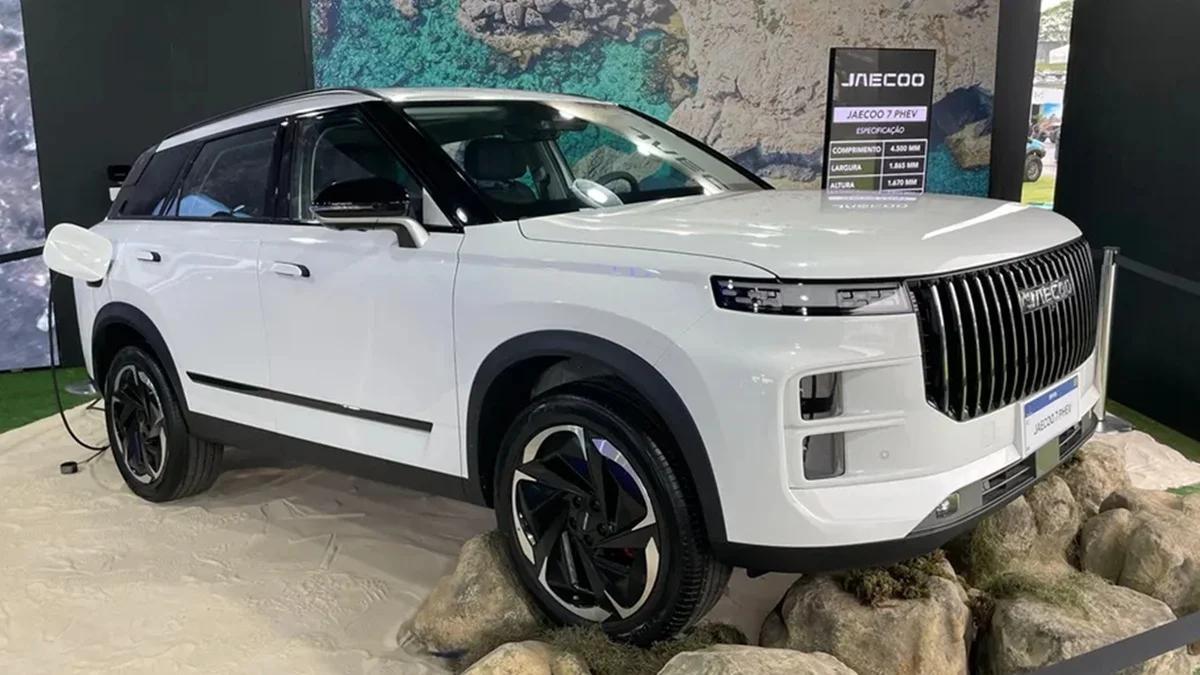
The significant advance of Chinese automakers in the Brazilian used car market is redefining competition, taking important market shares from established manufacturers and altering automotive consumer behavior.
The landscape of the pre-owned vehicle market in Brazil is undergoing a significant transformation. According to the latest MegaDealer Used Vehicle Performance Study (PVU), brands originating from China gained unprecedented ground in September 2026, encroaching on the customer base of traditional giants such as Jeep, Volkswagen, Hyundai, and Chevrolet.
This movement reflects a shift in the value perception of Brazilian drivers. The survey, which analyzed transactions across more than 3,400 dealerships through the Auto Avaliar platform, shows that consumer migration to the Chinese portfolio is directly impacting the sales volume of automakers that have historically dominated the sector.
The impact on traditional brands
The phenomenon is particularly notable in the performance of Jeep, which suffered the largest customer defection, losing nearly 24,000 units to Chinese competition in the third quarter—an amount representing almost half of its registration potential for the period. Other brands suffered significant drops, with Hyundai recording a 30% migration in its sales potential, while Chevrolet and Volkswagen also saw their numbers decline.
The growing migration among Chinese brands, which now accounts for 17.4% of trade-ins, demonstrates that the sector has not only captured new audiences, but is also beginning to create its own ecosystem where consumers seek fleet renewal within the same Asian technological origin.
Profitability and market behavior
Even with pressure on average ticket prices, which fell to R$ 87,298, the total volume of transactions in the country maintains a growth pace. Between January and September, the market accumulated 14.2 million units sold, a 6.4% increase compared to the previous year. This scenario, however, demands greater efficiency from dealerships, as inventory turnover time rose slightly to 38 days.
Within this new dynamic, models like the Chery Tiggo 7 stand out as leaders in profitability. With a fast 26-day turnover and a competitive average price, the model ranks at the top for return on investment, outperforming even established entry-level vehicles like the Renault Kwid.
The trend is that this battle for Brazilian consumer preference will intensify even further in the coming months. With the consolidation of Chinese brands in the used car market, traditional automakers face the urgent challenge of adjusting their pricing strategies and repositioning themselves to retain a customer base increasingly open to the innovation and cost-effectiveness offered by new global players.