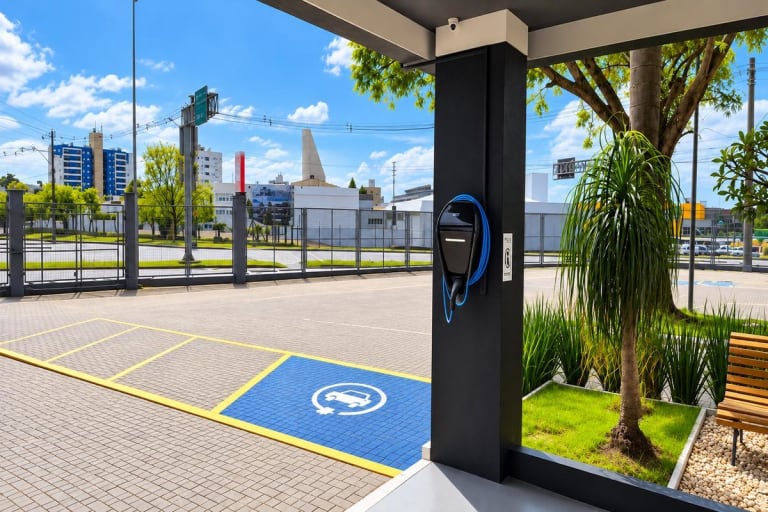
The advancement of electrified cars in Brazil is turning charging infrastructure into a competitive advantage in the hotel industry. Booking platforms now use charging stations as an essential filter for travelers.
The significant growth in the sales of electrified vehicles in Brazil is having a direct impact on sectors beyond the automotive industry. Tourism, and the hotel industry in particular, must quickly adapt to a new consumer demand, where support infrastructure for clean energy is no longer just a technological perk, but an essential part of the consumer experience.
According to projections from the Brazilian Electric Vehicle Association (ABVE) and Anfavea, the domestic market is recording significant jumps in registrations. This scenario is prompting accommodation platforms to include specific filters for charging stations, changing the way tourists plan their trips and choose where to stay.
Charging infrastructure as a selection criterion
The search for sustainable mobility directly reflects the behavior of those traveling by electric car. Today, hundreds of hotels across the country already feature charging points on their premises, strategically distributed among major urban business centers and important leisure routes.
Major hotel chains, such as Atrio, are incorporating this amenity across several regions of Brazil. The initiative meets a growing demand for convenience, allowing drivers to keep their vehicles charged during their stay without logistical complications.
Gabriel Fumagalli stated:
These numbers indicate that, although it is not yet a market standard, the offering is starting to gain ground in the hotel industry and is appearing on two different fronts. It follows major business centers with higher vehicle traffic, and spreads out to leisure destinations where travel is part of the experience. In these contexts, the electric charger becomes a structural differential by offering convenience to guests traveling in their own or rented cars.
The future of clean energy in tourism
As the national fleet expands and new energy transition technologies gain traction, the demand for charging points in accommodation networks is likely to intensify. What currently serves as an attraction for specific clients will quickly become a basic service requirement in the hotel sector.
Gabriel Fumagalli stated:
If electric charging still acts as a differentiator today, this trend indicates that it may soon become part of the baseline expectations for a growing segment of consumers.
With the ongoing consolidation of sustainability in tourism, hotels that invest early in electrical infrastructure will be better prepared to serve an increasingly conscious and demanding audience focused on the future of renewable energy.