
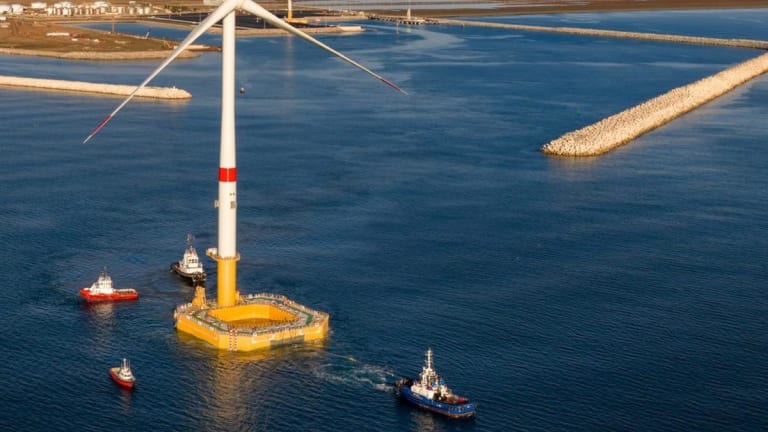
The clean energy sector in Ceará is awaiting the publication of a federal decree to unlock 16 offshore wind energy projects, totaling 36.2 GW in planned capacity.
The coastline of Ceará emerges as one of the great frontiers for the expansion of renewable energy in Brazil, but the progress of offshore wind farms remains stalled. Currently, 16 projects are awaiting federal guidelines to get off the ground, placing the state second nationally in the number of offshore generation initiatives, behind only Rio Grande do Sul.
Despite an estimated capacity potential of 36.2 GW, the sector is hindered by the lack of regulation. Although the framework legislation has been signed into law, practical guidelines on the exploitation of marine areas have not yet been formalized by the federal government, preventing projects from advancing to commercial and construction stages.
The Maritime Regulation Bottleneck
Legal uncertainty has paralyzed investments along the Ceará coast. Under current rules, oceanic areas under federal jurisdiction have been divided into geometric prisms, and interested companies rely on grants that can be awarded through standing offers or planned auctions. Without the regulatory decree, however, none of these mechanisms operate in practice.
In addition to the lack of rules for assigning marine space, developers face overlapping mapped areas, impasses regarding integration with the National Interconnected System, and regulatory uncertainties regarding distance limits from the coast.
Industry experts point out that red tape and delays in finalizing rules directly impact the timeline for deploying sustainable infrastructure in the country.
Energy market representatives state:
No one can say for sure when the first offshore wind farm will enter commercial operation in Brazil, as the time between the publication of the decree and the actual start of construction could exceed half a decade of additional studies and licensing.
Projections and Outlook for the Sector
Estimates presented by energy sector leaders indicate that, even after regulations are published, developing an offshore wind farm will require a long cycle. Experts calculate that the period needed to complete environmental studies, obtain final licenses, and begin physical construction ranges between five and ten years.
Companies operating in the region keep their strategic plans ready, albeit with operational constraints. While some companies await the regularization of concessions to resume surveys, others are investing in the installation of oceanographic measurement equipment to monitor coastal wind potential.
The expectation among entities tied to the energy transition sector is that the government will expedite the processing of guidelines to attract foreign capital and consolidate the national clean matrix. Otherwise, Brazil’s offshore wind potential will remain untapped, delaying the contribution of these plants to the decarbonization of the economy.
RELATED NEWS
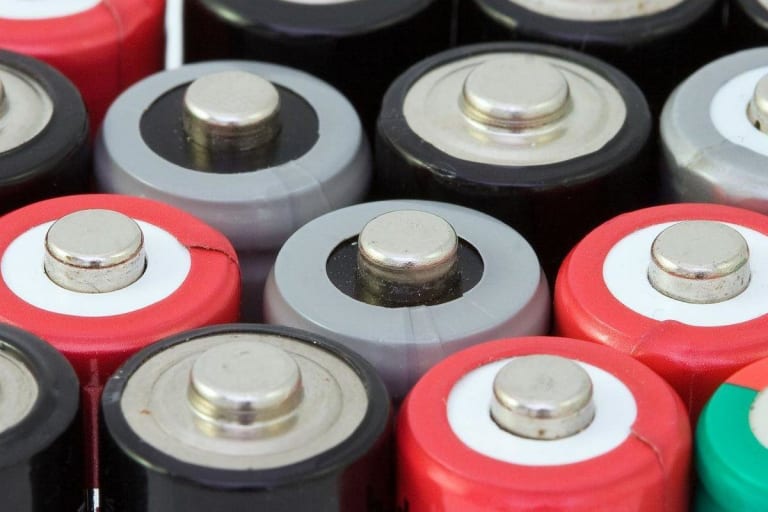 ANEEL discusses cost-sharing for battery storage in solar plants linked to CCEE
READ MORE
ANEEL discusses cost-sharing for battery storage in solar plants linked to CCEE
READ MORE
 Solar-Powered Ambulance Brings Medical Care to Remote Communities in Kenya
READ MORE
Solar-Powered Ambulance Brings Medical Care to Remote Communities in Kenya
READ MORE
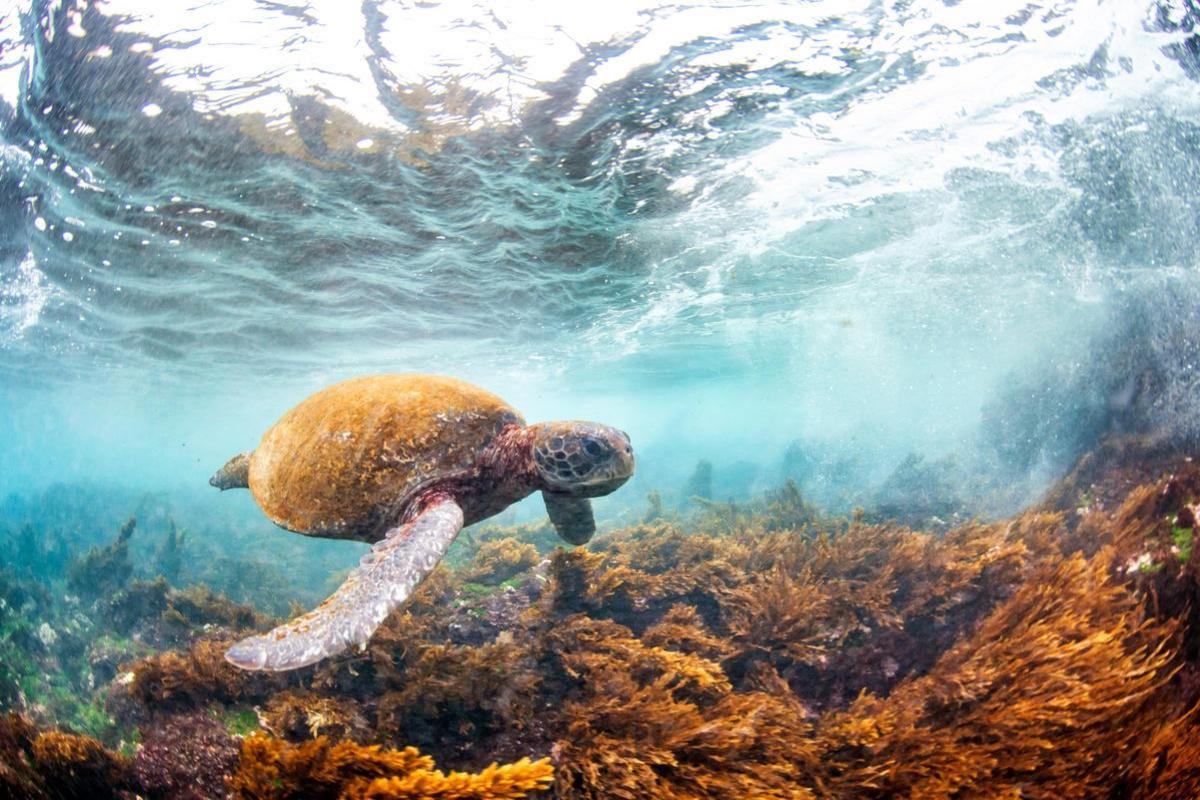 Living Planet Report 2026 Points to an Average 73% Drop in Monitored Wildlife Populations and Outlines Paths for Nature’s Recovery
READ MORE
Living Planet Report 2026 Points to an Average 73% Drop in Monitored Wildlife Populations and Outlines Paths for Nature’s Recovery
READ MORE