The Henry Borden Hydroelectric Plant celebrates a century of history as a pillar of operational flexibility and rapid response, ensuring stability for Brazil‘s clean energy matrix.
National engineering is celebrating one of the most important chapters in its history with the centennial of the Henry Borden Hydroelectric Plant. Located at the foot of the Serra do Mar mountain range in Cubatão, São Paulo, the facility has established itself over the past hundred years as a true milestone of São Paulo’s industrialization and an indispensable asset for the Brazilian electrical sector.
Originally inaugurated under the name Cubatão Power Plant, the structure was designed to overcome an impressive elevation drop of approximately 720 meters. This monumental feat made it possible to support the accelerated growth of the country’s main industrial hub, transforming the economic and technological landscape of the state of São Paulo in the following decades.
Today, under the management of Emae (Empresa Metropolitana de Águas e Energia), the complex maintains a leading role in the National Interconnected System (SIN). Consisting of underground and surface powerhouse units, the hydroelectric plant operates with a total installed capacity of 889 MW, divided into 14 generating units equipped with Pelton-type turbines, which are ideal for high-head water drops.
Resilience and Technology for the Energy Transition
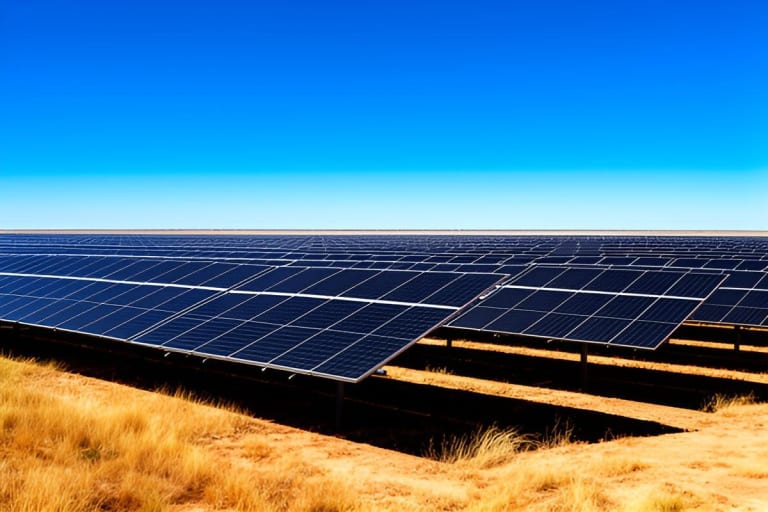
The plant’s relevance in the current energy landscape goes far beyond its tradition. At a time when the electricity grid is absorbing increasing volumes of variable renewable sources, such as solar and wind, the flexibility of the Henry Borden Plant has become a strategic asset for grid security.
The complex stands out for its ability to reach its maximum capacity of 889 MW in just 15 minutes. In addition, the facility features a self-start capability, known as black start, allowing it to restore electricity supply without relying on external loads in the event of a blackout.
The management company’s board stated:
The continuous modernization of our assets not only guarantees system reliability, but also reaffirms the historical role of this infrastructure in national energy security, combining a centennial legacy with technological innovation.
The Legacy of the Serra Project and New Attractions
The plant’s origins trace back to the audacious Serra Project, conceived by engineer Asa White Kenney Billings in the 1920s for the utility company Light. Execution required the creation of a complex water system, which included reversing the flow of the Pinheiros River, forming the Billings Reservoir, and constructing pumping structures.
To mark the centennial, the site has inaugurated the Henry Borden Cultural Space. Created in partnership with the Energy and Sanitation Foundation (FES), the interactive museum environment highlights the technical and human journey behind the complex’s construction through exhibitions, tactile cartography, and testimonies from former workers.
With ongoing investments in revitalization, the plant reaches its first century ready to continue playing an essential backup role. Looking to the future, the complex reinforces its position as an indispensable link between the tradition of hydraulic engineering and the new challenges of the Brazilian energy transition.