Alarming Report: Wild animal populations drop by 73%, but pathways for nature’s recovery exist.
A striking new report released points to a drastic 73% reduction in monitored wildlife populations worldwide over a 52-year span. The Living Planet Report 2026, produced by ZSL (Zoological Society of London) and published by WWF, compiles data from thousands of species, revealing a concerning scenario for global biodiversity. Despite the grim outlook, the study also presents evidence that nature possesses the capacity for recovery and suggests urgent strategies to reverse this trajectory.
The publication, which analyzed 35,803 data sets across 5,790 vertebrate species between 1970 and 2022, indicates that freshwater environments were the most heavily impacted, experiencing an average decline of 85%. Terrestrial environments registered a 69% reduction, and marine environments, 56%. These alarming losses are intrinsically linked to food, energy, and financial production systems, which, according to the report, must undergo significant transformations to mitigate their impact on nature.
Threats and Impacts in Brazil
Habitat loss and degradation emerge as the primary drivers behind the decline of wild animal populations. In Brazil, deforestation and ecosystem degradation directly affect the reproduction and survival of native species. The Salve platform, run by the Ministry of Environment and Climate Change, points out that more than 80% of threatened Brazilian vertebrate species suffer the consequences of deforestation.
Climate change, such as wildfires and extreme droughts, further intensifies these pressures. In marine environments, rising ocean temperatures have severely impacted coral reefs. In Pernambuco and Alagoas, coral cover in the Northeast region recorded a 66% drop between 2019 and 2024, reflecting intense marine heatwaves.
Helga Correa stated:
“Biodiversity loss does not happen in isolation. When a forest is deforested or degraded, when fire advances across natural areas or an extreme drought alters rivers and other environments, species lose food, shelter, and conditions to reproduce. In Brazil, which is home to one of the planet’s greatest biodiversities, protecting and recovering natural habitats is fundamental to halting the decline of wildlife populations”
Signs of Hope and Conservation Actions
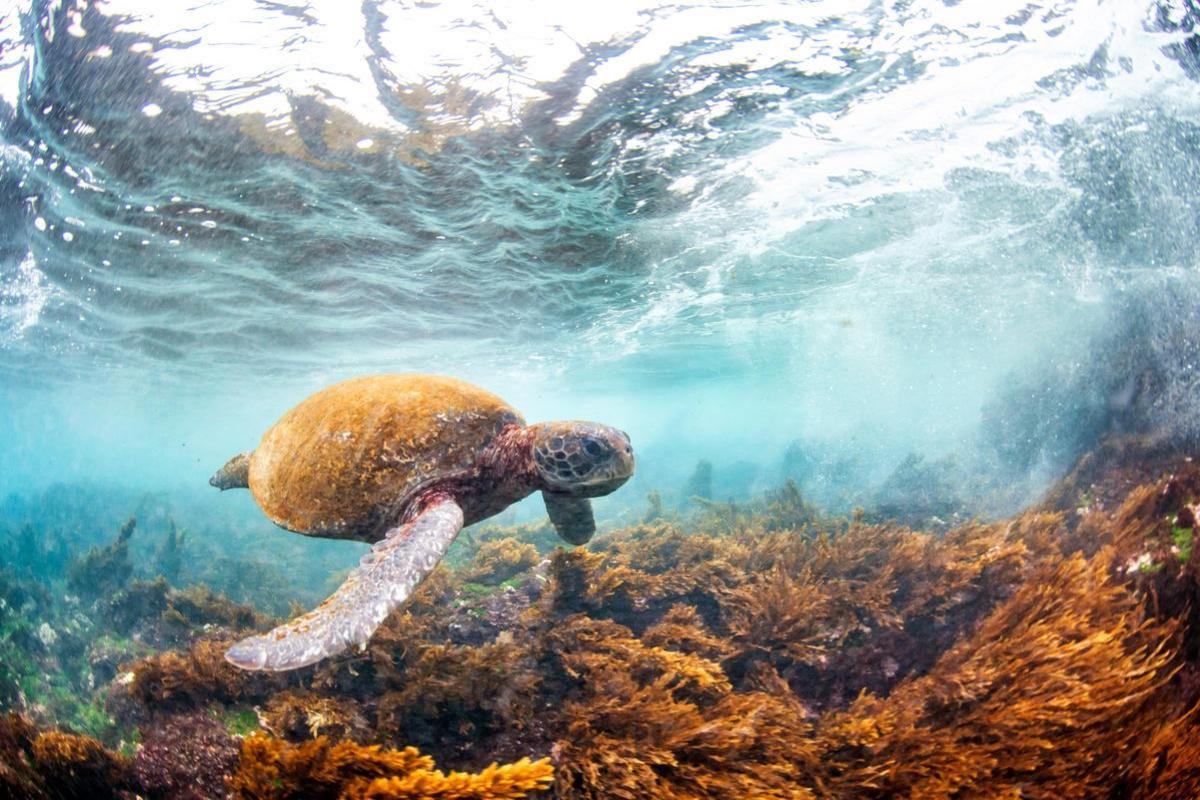
Despite the overall concerning scenario, the report highlights that half of the monitored populations are stable or growing, demonstrating the potential of successful conservation actions. Notable examples include the recovery of green turtle, bluefin tuna, tiger, and elephant populations in southern Africa.
In Brazil, coordinated initiatives among the government, the third sector, and local producers have demonstrated positive results. In the Atlantic Forest, the jaguar population in the Iguaçu region jumped from 11 individuals in 2019 to 42 in 2025, a 280% increase. The golden lion tamarin, a symbol of WWF‘s work in the country, went from critically endangered to endangered, thanks to conservation efforts. However, the report stresses that these isolated actions are not enough to reverse the global trend.
Transforming Systems for a Sustainable Future
The report emphasizes that biodiversity loss is directly tied to food, energy, and financial systems. To reverse this trend, transformations in these sectors are crucial. A positive tipping point is identified when a system adopts a self-reinforcing improvement trajectory, becoming faster and more accessible.
In the energy sector, solar power is already establishing itself as the cheapest source for new power generation capacity in many regions. In food production, sustainable practices, waste reduction, and more conscious diets are gaining ground, such as the Brasil Sem Desperdício project. In the financial system, the need to halt funding for nature-harming activities and integrate environmental considerations into risk assessments is urgent.
Kirsten Schuijt stated:
“Biodiversity continues to degrade at an alarming pace. Even so, amidst sharp declines, there is reason for hope. The Living Planet Report 2026 presents evidence that many species populations are stable or recovering, alongside examples showing that nature can bounce back. The recovery of tiger, bluefin tuna, and green turtle populations shows what years of collective and continuous conservation efforts can achieve”
The Time to Act is Now
Recent biodiversity and climate conferences, such as COP17, offer crucial opportunities to accelerate the implementation of global agreements, such as the Kunming-Montreal Global Biodiversity Framework and the Paris Agreement. The goal of halting and reversing biodiversity loss by 2030 demands robust investments, political leadership, and action across all sectors of society.
Helga Correa stated:
“The recovery examples presented by the report show that nature’s decline is not inevitable. Brazil is in a position to reverse losses, but this requires continuous, scaled-up conservation action, with the protection and restoration of ecosystems and the tackling of the root causes of biodiversity loss. These efforts must also recognize and strengthen the role of Indigenous peoples, traditional peoples and communities, and local communities, who depend directly on nature and make a fundamental contribution to its conservation. Recovering biodiversity means generating concrete results not only for species and ecosystems, but also for the people who live in these territories and depend on them”
Andrew Terry stated:
“For too long, nature has been undervalued, and the Living Planet Index shows the consequences of that. But these declines are not inevitable. Nature can recover, as the examples gathered in the index show”
The recovery of healthy ecosystems and abundant wildlife populations is fundamental to human well-being and economic security. With knowledge, tools, and pathways already established, collective determination is the decisive factor in putting nature and climate on a recovery trajectory by 2030.