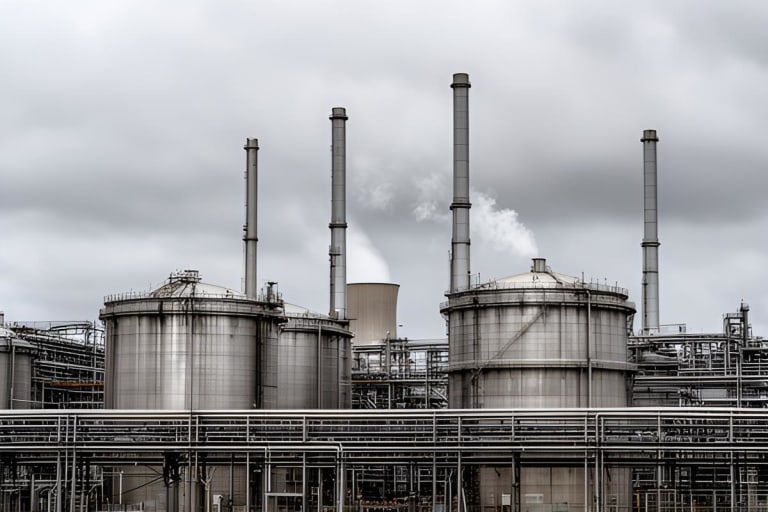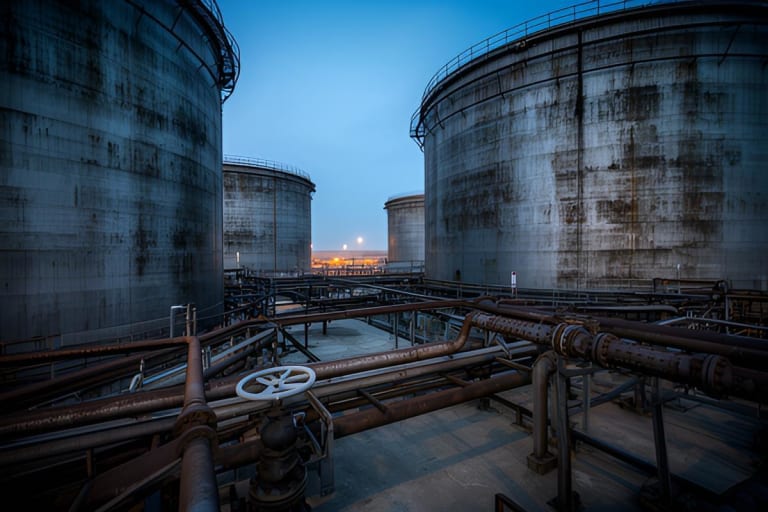
Member countries of the IEA have decided to expedite the release of strategic oil and diesel reserves to address global shortages and stabilize the clean energy and fuel markets.
Governments within the International Energy Agency have reached a consensus to accelerate the distribution of previously announced emergency reserves. The measure seeks to inject significant volumes into the global system rapidly, focusing efforts on the priority distribution of diesel amid the severe regulatory and logistical constraints currently affecting the energy sector.
This international coordination gains momentum against a backdrop of geopolitical instability impacting essential supply routes, such as those in the Middle East and Eastern Europe. With the market under intense pressure, the strategy aims to mitigate supply shocks and curb inflationary pressure on fuel derivatives.
Accelerating reserves with a focus on diesel
Most of the robust package of strategic reserves launched in the first half of the year has already been injected into the global market. However, the remaining volume will now be released with maximum urgency to address international calls for greater predictability in fuel supplies.
Prioritizing diesel reflects the critical nature of this resource for the international logistics chain and the energy transition, as supply bottlenecks typically increase costs across the entire production matrix. European nations have also aligned new releases of public stocks following diplomatic efforts aimed at price containment.
The situation remains particularly tight in the diesel market, which is why member countries have supported prioritizing the release of this fuel to ensure global economic stability.
Future outlook and response capacity
In addition to the volumes currently being distributed, the IEA maintains robust public emergency reserves managed by its member countries. This solid safety net acts as a buffer against extreme volatility and ensures room for maneuver regarding any unfavorable developments in oil geopolitics.
Experts in sustainable energy and fuels are closely monitoring developments, assessing how fossil fuel volatility impacts the pace of investment in renewable sources. The agency has reinforced that it remains in a state of continuous monitoring, prepared to authorize further supply injections should market balance be threatened again.