ANEEL’s new regulation establishes a more equitable division of generation curtailments, integrating hydroelectric plants into a mechanism that previously impacted solar energy projects predominantly.
The National Electric Energy Agency (ANEEL) formalized, at the beginning of October, a structural change in how the national electricity system handles excess supply. The measure aims to redistribute the burden of generation curtailments, previously concentrated almost exclusively on renewable energy sources like solar power, by now including hydroelectric power plants in the mitigation process.
For investors and managers in the clean energy sector, the decision presents a new landscape for revenue projections. While the news does not signify the elimination of curtailments, it introduces a sharing model designed to balance systemic costs, requiring a more cautious analysis of the financial performance of assets and future contracts.
The New Sharing Model
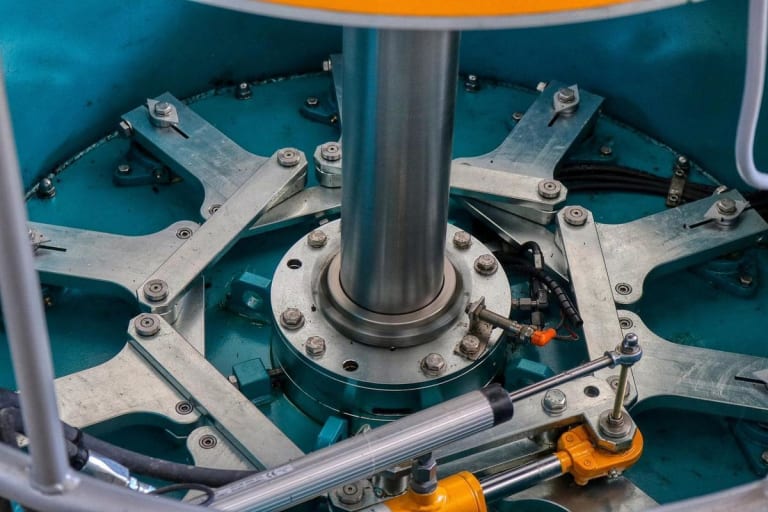
ANEEL’s directive mandates that, during periods of oversupply, the National Electric System Operator (ONS) must follow a priority order that distributes operational effects among different sources. Hydroelectric power plants, specifically those with turbinable spilled energy, will be gradually integrated into this dynamic, with a staggered participation from 25% to 100% over four years.
It is crucial to understand that this alteration does not eliminate the need for curtailments due to technical reasons. Factors such as geographic location, transmission grid stability, and specific contracts remain decisive. The security of the SIN (National Interconnected System) continues to be the ONS‘s priority, meaning curtailment will still occur where technically indispensable.
Industry experts point out:
“The norm foresees distributing the impact among eligible agents, but it emphasizes that system security and reliability criteria prevail over the new cost distribution.”
Specific Rules for Self-Generation
A point of attention for companies is the differentiated treatment given to self-generation. As a general rule, energy curtailments will only affect the surplus energy injected into the grid. Local consumption, under normal conditions, remains protected.
However, there is an important caveat: in critical situations, the ONS retains the authority to restrict the local consumption portion as well, provided it is based on auditable criteria. Distributed generation and microgeneration projects, such as residential solar panels, are not directly affected by this resolution, with their compensation rules remaining unchanged.
Timeline and Next Steps
The implementation of the new rule will follow a strict 18-month timeline, divided into phases. 180 days after the official publication, a 12-month simulation period will begin, which is essential for market agents to analyze the real impact of the changes through independent audits and monthly reports from the ONS.
For those seeking to evaluate investments, the recommendation is caution. Curtailment risk premises should not be automatically altered before the simulation data is consolidated. It is also important to differentiate this new operational mechanism from the compensation of past curtailments, managed by the CCEE (Electric Energy Commercialization Chamber), as these are distinct processes with unrelated financial flows.