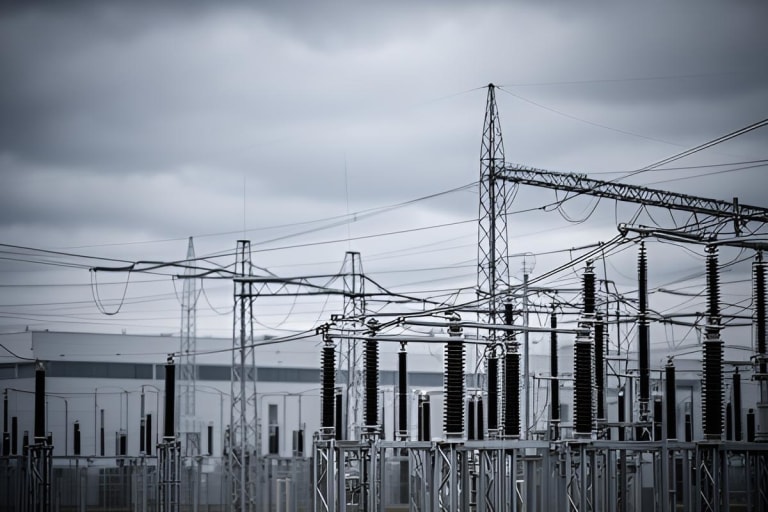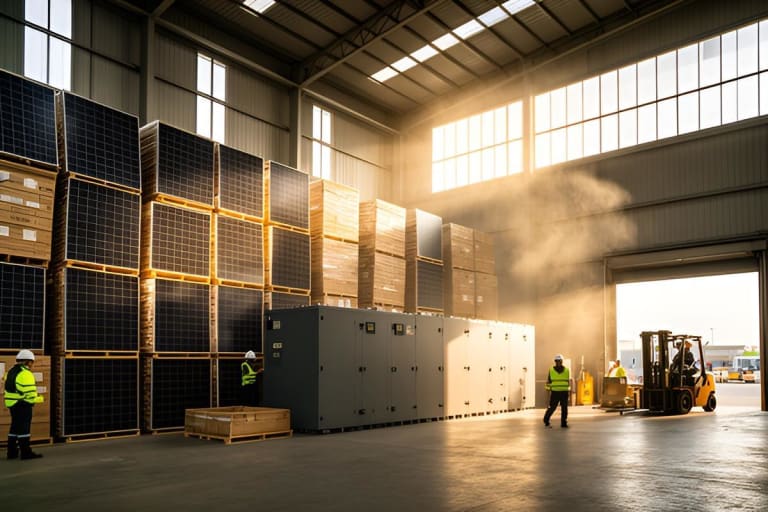
The expansion of the free energy market into the retail sector requires energy traders to implement stricter credit controls, robust operational scale, and investments in their own generation assets.
The expansion of the free energy market to smaller consumers, with monthly bills starting at R$ 200, presents new challenges for the Brazilian power sector. With the gradual opening of the free contracting environment, companies in the sector must adapt rapidly to a reality characterized by high customer volume and significant financial risks.
To remain competitive in this dynamic landscape, energy trading companies are leveraging a combination of scale, risk management, and technological innovation as essential tools to avoid operational losses and ensure long-term business sustainability.
The importance of credit control and scale
Managing a massive retail customer base requires advanced financial analysis systems. The risk of default has become one of the greatest threats to companies operating in this segment. Therefore, adopting rigorous credit granting criteria is essential to screen for potential losses even before supply contracts are signed.
Beyond protection against defaults, the pursuit of operational scale allows for the dilution of fixed costs and the optimization of margins. Companies such as Sun Mobi point out that sustainable growth in the free market depends directly on the ability to serve a diverse audience without compromising the organization’s financial health.
In-house generation as a strategic differentiator
Another fundamental pillar for facing competition in the power sector is investing in in-house generation assets. Decentralized production, often associated with distributed generation, grants energy traders greater autonomy, allowing for more predictable costs and protection against the price volatility of both clean energy and conventional power in the country.
The future of energy trading in Brazil belongs to companies that can combine cutting-edge risk management technology with their own renewable sources, ensuring stability for the end consumer.
As the free energy market matures, the sector is likely to undergo a consolidation process. Only those brands that demonstrate greater financial resilience and the capacity to adapt to new regulations will be able to thrive in the competitive Brazilian retail energy environment.