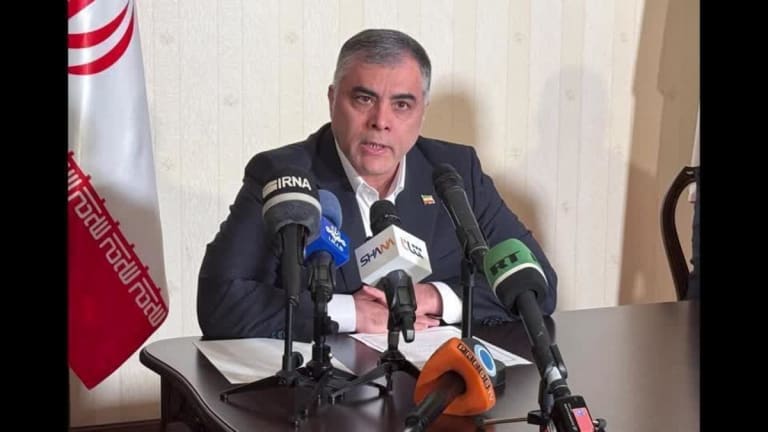
Iran’s Oil Minister, Mohsen Paknejad, has submitted his resignation for personal reasons, according to state media, at a delicate time for the country’s economy.
In a significant development for the energy sector and Iran’s domestic politics, Oil Minister Mohsen Paknejad has submitted his resignation.
The decision, reportedly motivated by personal reasons, was announced by the country’s state media this Sunday.
The departure of Paknejad, who had been in office since August 2024, comes amid a period of intense economic pressure on Iran, marked by the seven-month conflict with the United States.
Geopolitical instability and imposed sanctions have a direct impact on the ability of the OPEC member nation to export and manage its energy resources.
Leadership Change at the Ministry of Petroleum
According to information broadcast by state television, Mohsen Paknejad had formally requested his resignation some time ago.
However, formal acceptance by President Masoud Pezeshkian only materialized this week, following the minister’s own persistence.
The appointment of Hamid Bovard, current chief executive of the National Iranian Oil Company (NIOC), to the post of acting oil minister indicates a rapid transition in the management of the crucial energy sector.
Mehdi Tabatabaei, deputy head of communications for the presidential cabinet, as reported by state media, stated:
With Dr. Pezeshkian’s acceptance of Mohsen Paknejad’s resignation, Hamid Bovard has been appointed as acting oil minister.
Even before the official announcement of his resignation, Paknejad had expressed confidence in the continuity of the country’s oil export revenues.
Impact and Future Outlook
The resignation of Mohsen Paknejad adds a new layer of complexity to Iran’s already challenging energy landscape.
Hamid Bovard’s leadership at the Ministry of Petroleum will be crucial in navigating economic and geopolitical pressures.
Analysts point out that the leadership change at the ministry could influence export strategies and Iran’s relationship with the international oil market, especially amid tensions with the US.
The near future will tell how this change will affect supply stability and the country’s economy.