
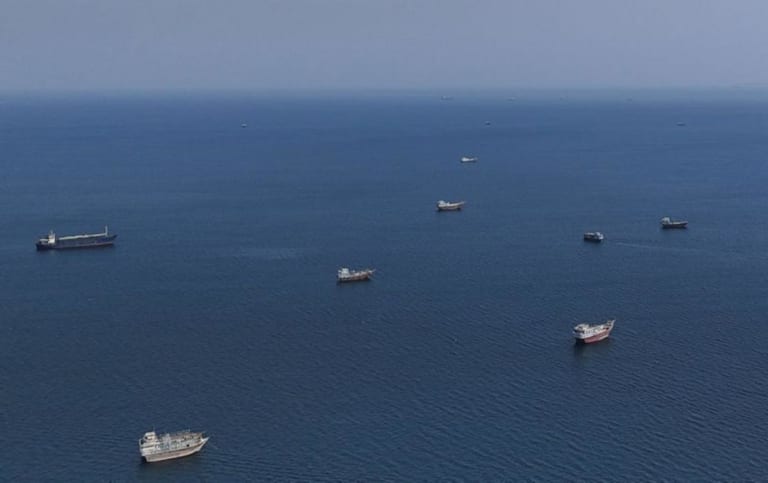
Middle East crude oil exports surpassed pre-conflict levels in September, driven by increased shipments from the Gulf and Red Sea regions.
Crude oil and fuel flows in the Middle East region recorded a significant recovery in September, exceeding the levels observed before the onset of armed conflicts. Consolidated data from tracking firms Kpler and Vortexa reveal that producers in the Persian Gulf expanded cargo shipments, even amid an adverse geopolitical scenario and rising risks along strategic maritime routes.
The moving average recorded at the end of September reached 18.3 million barrels per day, according to preliminary records from Kpler. This volume exceeded the pre-war historical average—which hovered around 18 million barrels per day—on nearly half of the days of the month, encompassing routes crossing the Strait of Hormuz and the Red Sea.
The Producers’ Strategy and the Asian Impact
The boost in international supply stemmed primarily from Saudi Arabia, which stepped up its logistics operations to reclaim market share from regional competitors. The state-owned Iraqi Oil Tanker Company also established new routes from Basra after securing diplomatic authorizations for oil tanker transit in the restricted zone.
Experts point out that this volume injection into the global market plays a crucial role in international energy balance, easing supply bottlenecks that had been concerning major refineries located on the Asian continent.
Risks and Challenges in the Strait of Hormuz
Despite the rise in energy shipments, commercial navigation in the primary artery of international trade faces persistent threats. Intelligence reports from Marisks documented multiple incidents involving merchant vessels and oil tankers struck by projectiles over the past week, raising concerns regarding crew safety and the stability of the global logistics chain.
Senior market analyst Xavier Tang stated:
Most of this month-on-month increase seen in September comes from Saudi Arabia, which is boosting exports to regain market share from other Middle Eastern countries.
The expert also emphasized:
This increase in Middle East supply will also help alleviate tightness in the oil market, especially for Asian refiners.
The advance in crude oil and liquefied natural gas exports demonstrates the resilience of Middle East energy infrastructure against geopolitical shocks. However, the continuation of military tensions and operational risks in the Strait of Hormuz remain on the radar of analysts and energy sector agents, who are closely monitoring developments to prevent further disruptions in the global supply chain.