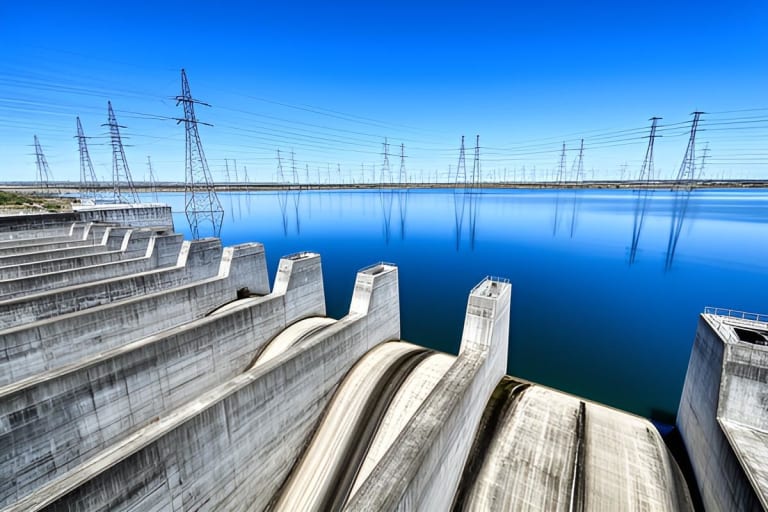
Climate unpredictability has turned into one of the greatest financial risks for the corporate sector, demanding more robust energy management strategies in the face of price volatility.
The energy market in Brazil is facing an increasingly complex scenario. While operational planning once depended largely on predictable rainfall patterns, today the instability of extreme weather events imposes severe challenges for companies. Fluctuations in reservoir levels and the recurring need to dispatch thermal power plants, which have higher operational costs, directly impact corporate utility bills.
Currently, the Brazilian electric power sector is undergoing a transition where mitigating climate damage is no longer just an issue for utilities, but has become a central concern for corporate management. The financial impact of this volatility demands a shift in attitude: the weather cannot be controlled, but exposure to pricing risks can—and must—be managed with smart tools.
Strategic management against volatility
For companies seeking competitiveness, reliance on the short-term market is a risk that must be mitigated. Adopting more flexible supply contracts and investing in decentralized renewable energy sources have become pillars for financial stability. Experts point out that efficiency lies not only in consumption, but in intelligent energy procurement.
“In an environment where climate unpredictability dictates the pace of costs, the ability to forecast risks and diversify supply sources is what separates resilient companies from those vulnerable to energy inflation.”
The future of energy efficiency
The path forward involves decentralization and democratized access to clean sources, such as solar and wind power. Modern corporate strategy must integrate sustainability with finance, using energy efficiency as a protective tool against external shocks. Companies that invest in monitoring technologies and data analysis are able to anticipate cost variations, ensuring budget predictability.
The trend is for the market to continue demanding creative solutions to deal with water scarcity and rising demand. Long-term, the transition to a more autonomous consumption model based on renewable sources is not just an environmental choice, but a strategic imperative to ensure business sustainability in an increasingly unstable climate.