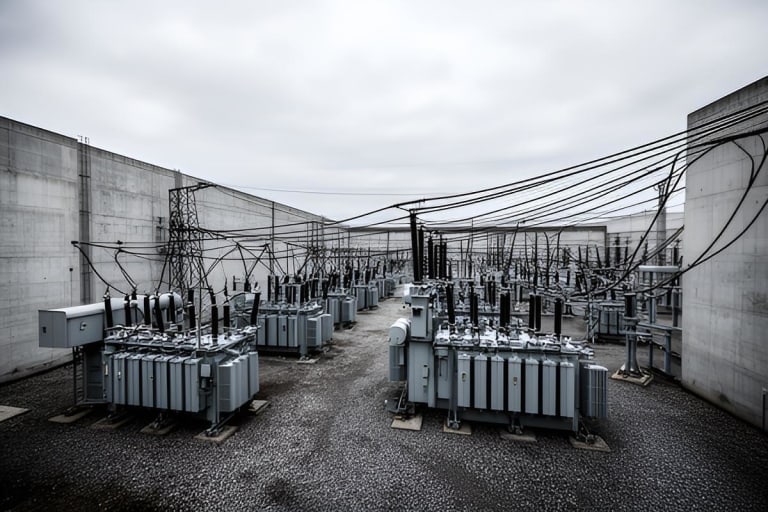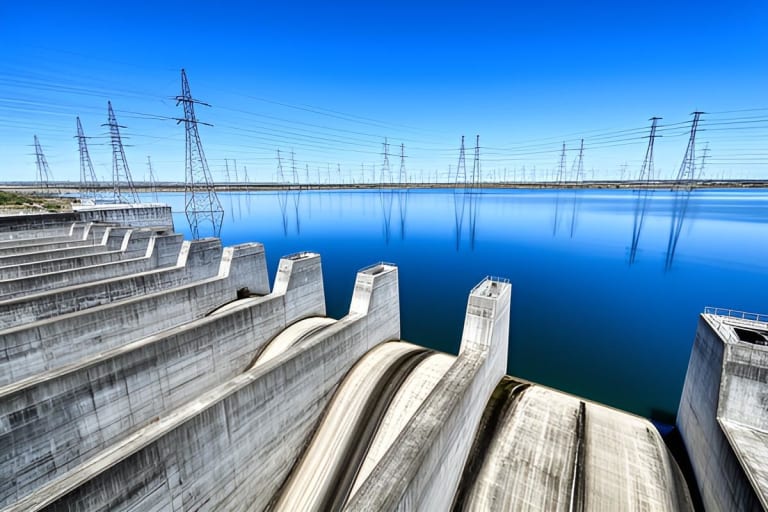
The National Electric System Operator (ONS) projects a 4.7% increase in the country’s energy load in October, with national reservoirs operating at satisfactory levels for the period.
The Brazilian electricity sector is demonstrating resilience and stability this second half of the year. According to the latest estimates released by the ONS, demand for electricity is expected to see a 4.7% increase compared to the same period last year. This growth reflects the dynamics of the national economy and the increased power requirements to meet the needs of various industrial and residential segments.
Energy security remains the cornerstone of the Federal Government’s strategy. With a diversified energy matrix, operational planning ensures that the power supply remains steady, even in high-demand scenarios, consolidating Brazil as a global reference in clean and sustainable energy.
Reservoir outlook and water security
Water management is at the heart of the interconnected system. According to the ONS technical bulletin, the Southeast/Central-West subsystem, which serves as the country’s primary storage engine, is expected to end October at 56.3% capacity. This level is considered strategic to ensure supply stability over the coming weeks.
The other regions also show robust indicators. The South subsystem, boosted by recent rainfall, is expected to reach 86.9%. Meanwhile, the Northeast and North regions maintain volumes of 63.6% and 62.5%, respectively, ensuring a balanced distribution of water resources for hydroelectric generation across the national territory.
The integrated management of the subsystems allows Brazil to maintain a reliable and renewable energy supply, optimizing the use of reservoirs to support economic growth and grid stability.
The future of the sector and renewable sources
The impact of this projection is positive for the market. The load increase signals a vigorous recovery, and the presence of adequate reservoir levels reduces the need to activate more expensive and polluting power sources. The transition to a matrix increasingly based on renewable sources, such as solar and wind energy, has been essential to complement hydroelectric generation.
For the coming months, the challenge for the ONS will be to maintain operational efficiency in the face of climate variability. Continuous monitoring of reservoir levels, combined with the expansion of transmission infrastructure, puts the country on a favorable trajectory to meet demand without compromising the decarbonization and energy efficiency goals set for the next decade.