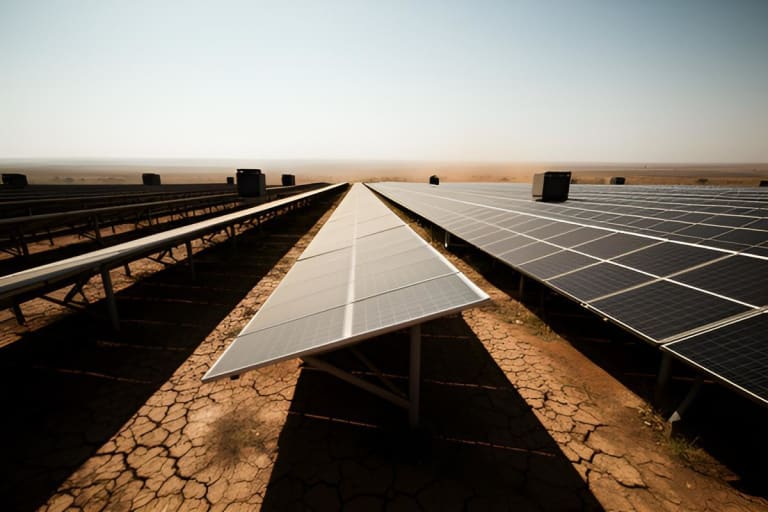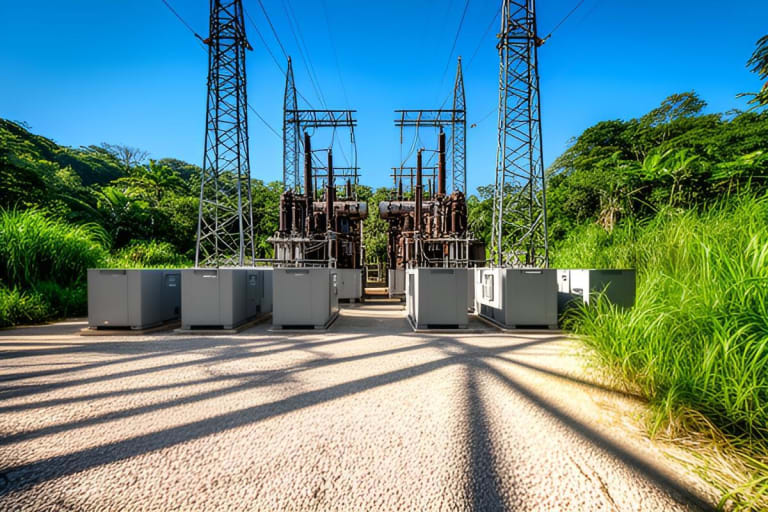
The Electric Power Transmission Grant Plan for 2026 outlines multi-million-dollar investments in batteries for Acre and new expansion projects for the SIN.
Brazil’s clean energy and electrical infrastructure sector has just taken a major step toward modernization. The Ministry of Mines and Energy (MME) has formalized, in an extra edition of the Official Gazette of the Union, the first POTEE issuance for 2026, outlining expansion priorities for the electric power transmission grid through the 2033 horizon.
Among the key highlights of the planning is the introduction of battery energy storage systems, known as BESS, in the Northern region. The measure aims to address historical supply bottlenecks and ensure greater operational stability for areas recently integrated into the national power grid, marking a milestone for the sector’s transition and security.
The Advance of Batteries in Acre
Federal planning has allocated an estimated R$ 249 million for the installation of BESS technology in Acre. The initiative focuses primarily on ensuring energy reliability for the municipalities of Cruzeiro do Sul and Feijó, with the former having joined the National Interconnected System only in late 2024.
In addition to advanced storage, the document includes the construction of two new transmission lines, injecting approximately R$ 717 million into structural works in the region. Nationwide, the new edition of the POTEE encompasses 45 expansion projects distributed across 17 states in all five regions of the country, reflecting a decentralized effort to improve sustainable energy and distribution.
Megaprojects and Technological Innovation
On a national scale, the planning highlights the set of facilities linked to the Northeast II Bipolar, designed to optimize the evacuation of renewable energy generated in the Northeast and facilitate power flow toward the South. Scheduled for completion by January 2033, the megaproject requires investments exceeding R$ 24 billion, highlighting the scale of investments in Brazil’s energy transition.
Another innovative point is the application of dynamic monitoring systems on the Mogi Guaçu I – São João da Boa Vista II line in São Paulo. The technology will calculate transmission capacity in real time based on weather variables, optimizing existing operations:
The solution will make it possible to postpone the reconstruction of the line, estimated at around R$ 140 million, at a much lower cost through innovation.
With these guidelines, the federal government seeks to combine financial efficiency, technological modernization, and supply security. The next steps require close monitoring of auctions and compliance with schedules to ensure infrastructure keeps pace with the rapid growth of renewable sources in the country.