Brazil’s elections define strategic directions for energy policy, supply security, and the future of sustainable transition in South America’s largest economy.
Brazil heads to the polls this Sunday (Oct. 4) in a decisive election that will shape the landscape of clean energy and natural resources over the coming decade.
The race between incumbent President Lula (PT) and Flávio Bolsonaro (PL), coupled with the renewal of the National Congress, comes at a time when the country must balance supply security with global decarbonization commitments.
In addition to the federal executive branch, voters are choosing governors, congressional deputies, and two-thirds of the Federal Senate—vital bodies for unlocking investments in infrastructure and new energy matrices.
Infrastructure Challenges and the Electricity Market
The agenda awaiting the new administration includes modernizing distribution grids and integrating innovative technologies, such as battery storage systems and electric vehicles.
Experts point out that the expansion of smart grids and new regulations for smart meters represent fertile ground for operational efficiency, driving the transition toward a more decentralized model.
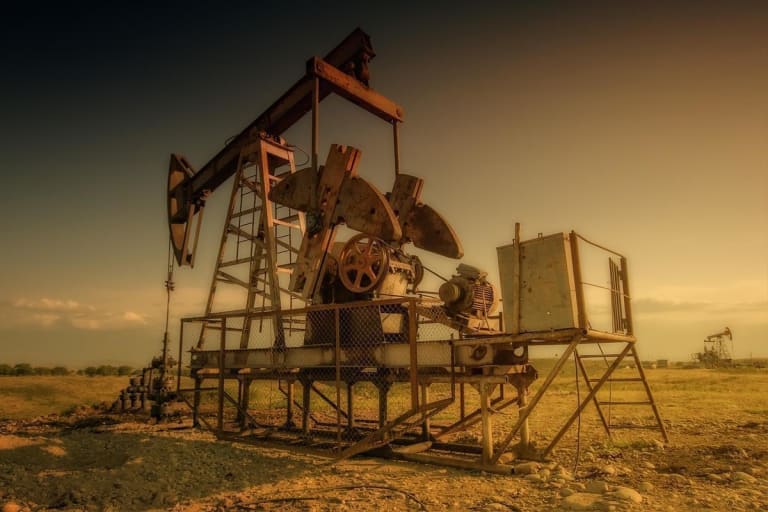
At the same time, the oil and gas sector remains at the center of economic debates. Industry giants are betting on operational efficiency and carbon capture to meet climate targets, while the country weighs opening new exploratory frontiers, such as the Equatorial Margin and the Pelotas Basin, to prevent declines in domestic production starting in the next decade.
Concerns over energy security have driven Latin American companies to seek greater production capacity, including efficiency gains at existing refineries amid international constraints.
José Fernandes, Honeywell Technologies
International Context and Fuel Costs
The Brazilian election unfolds against the backdrop of a complex geopolitical scenario and volatility in international markets.
Pressure on global oil prices, driven by tensions in the Middle East, reverberates domestically, compounded by a recent 11.76% hike in aviation kerosene prices announced by Petrobras.
Issues of national sovereignty and diplomatic alignments with the United States also marked the campaign, differentiating party proposals regarding the exploration of natural wealth.
Sustainability in domestic industry is advancing alongside political debates. A recent survey by CNI revealed that more than half of Brazilian industries already adopt circular economy practices, signaling a gradual shift toward greener production processes, even in traditionally carbon-intensive sectors.
In the coming months, the elected government will need to reconcile urgent demands for fuel price stability with the pressing need for investments in renewable sources and critical minerals.
The success of these policies will determine whether Brazil can solidify its position as a global leader in the energy transition or if it will prioritize short-term security based on hydrocarbons.