The National Energy Plan 2055, developed by the EPE, projects a historic eightfold increase in distributed generation and the massive consolidation of renewable energy sources in Brazil over the coming decades.
The future of the Brazilian electricity sector now has official guidelines with the release of the National Energy Plan 2055. The strategic document, developed by the Energy Research Office (EPE) and published in an extraordinary edition of the Official Gazette (Diário Oficial da União), outlines a path for profound transformation in the national energy transition, prioritizing decentralized production and the electrification of the economy.
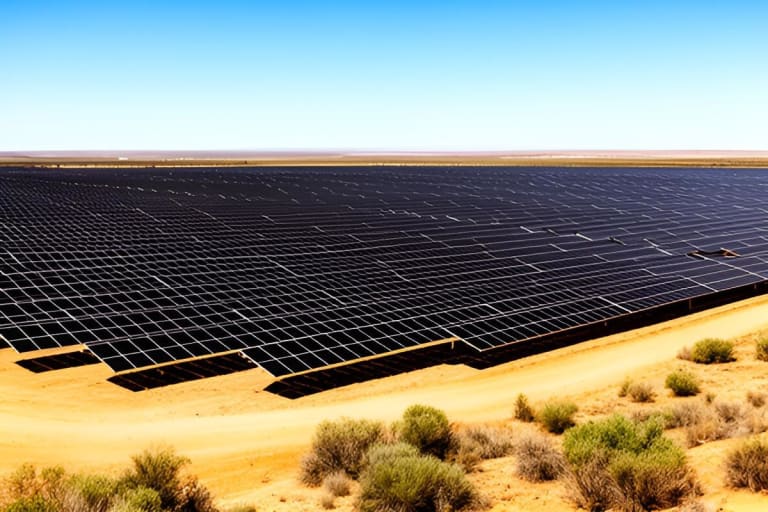
Among the key findings of this long-term plan is the significant expansion of distributed generation, driven by the growth of solar energy on rooftops and building facades. Concurrently, electricity demand is expected to grow at a faster rate than total energy consumption, reflecting the decarbonization of sectors such as industry and transportation.
The Distributed Generation and Battery Revolution
Projections indicate that distributed generation could jump from an estimated 44 TWh in 2025 to an impressive 340 TWh by 2055, under the most optimistic carbon-neutral scenario. In terms of installed capacity, decentralized energy resources are expected to grow from 42 GW to as much as 310 GW over the same period.
The document also highlights the central role of energy storage. Residential and commercial batteries, known as behind-the-meter systems, are expected to expand their capacity from just 5 GWh in 2025 to up to 171 GWh by 2055, providing greater flexibility and stability to local power grids.
The advancement of decentralized systems and battery storage will be fundamental pillars for the modernization of the electricity sector, ensuring consumer autonomy and system-wide resilience.
The New Face of the National Power Grid
In a net-zero transition scenario by 2050, assuming a 3.8% annual economic growth rate, the country’s electricity supply will be predominantly clean, reaching 98% from renewable sources. Wind energy will take the lead in the grid, accounting for 36% of total generation, followed by utility-scale solar energy at 26.9%.
Traditional hydropower, historically the foundation of the Brazilian system, will shift to third place, accounting for 19% of the mix by 2055. The plan also includes a strengthening of nuclear energy, with installed capacity potentially jumping from the current 2 GW to as much as 9 GW in the most ambitious scenario, reinforcing supply security.
The path mapped out by the EPE signals that Brazil is moving toward a highly electrified economy, where electricity consumption is expected to grow up to 4.2 times by 2055. With electrification projected to reach up to 15% of the vehicle fleet and significant industrial expansion, the country is cementing its commitment to sustainability and low-carbon development for future generations.