Energy decentralization is gaining momentum in Brazil. Photovoltaic system owners are now discovering how excess generated energy can be transformed into strategic electricity bill credits.
The energy transition landscape in Brazil has reached a level of maturity where consumers are no longer mere spectators, but active agents in the electrical system. With the advancement of solar panel installations on residential and commercial rooftops, managing surplus energy has become the new pillar of financial efficiency for thousands of Brazilians.
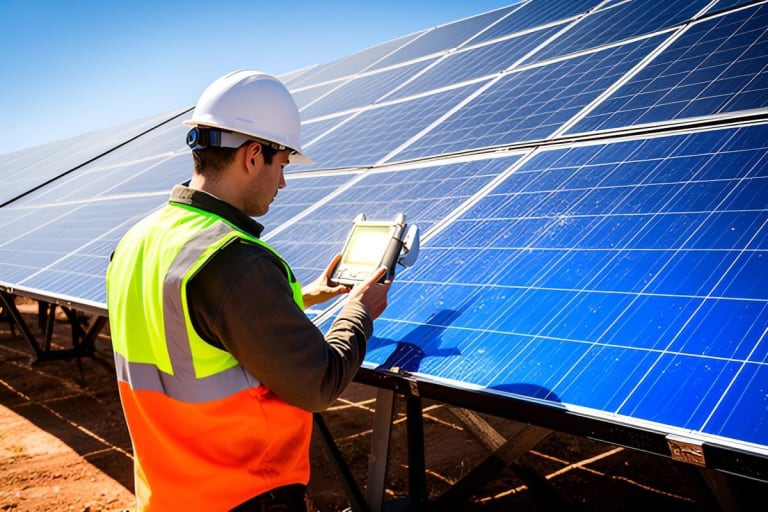
Photovoltaic technology not only drastically reduces the monthly utility bill, but also allows excess generated energy—that which is not consumed at the time of production—to be fed back into the local utility’s grid. This process, regulated by ANEEL (National Electric Energy Agency), turns unused kilowatt-hours into a valuable accounting asset.
How energy credits work
The system operates under a net metering framework. When the system produces more electricity than the property consumes, the surplus balance is converted into credits. These credits are stored and can be used to offset consumption during months with lower solar irradiance or even at other properties registered under the same individual tax ID (CPF) or corporate tax ID (CNPJ), provided they are within the same utility concession area.
The dynamic is simple: bidirectional meters monitor the energy flow and ensure that the balance is accurately computed. This flexibility is what makes investment in renewable energy so attractive, shortening the payback period for the capital invested in equipment installation.
Distributed generation is the backbone of a sustainable energy matrix. By allowing consumers to virtually store their own production, we are democratizing access to the green economy and promoting a more resilient grid that is less dependent on large power plants.
Impact and sector trends
The next step for this market involves integration with battery storage technologies and the expansion of community solar projects. With the refinement of tariff policies, the management of these credits is expected to become even more dynamic, enabling stronger partnerships between small producers and the energy market in the near future.
Sustainability now goes hand in hand with smart financial planning. As the cost of solar energy equipment continues to decline and awareness regarding the use of clean sources grows, the role of the prosumer becomes essential in consolidating the country as a global benchmark in renewable energy matrices.