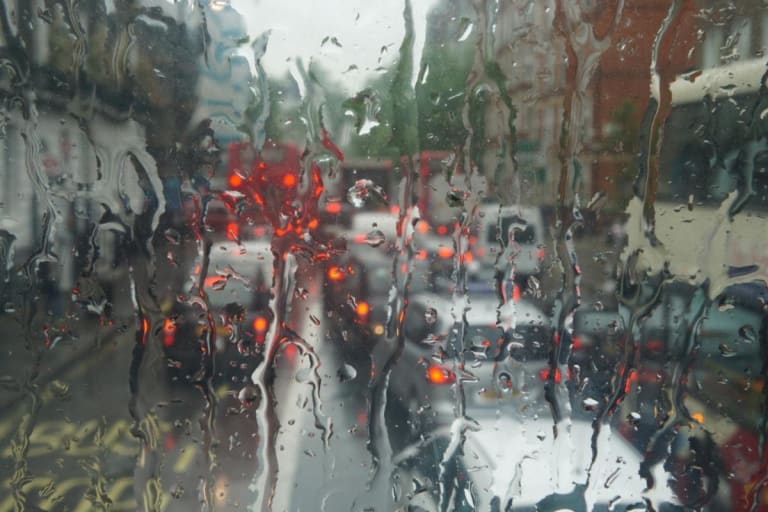
With the strengthening of the El Niño phenomenon, drivers must redouble precautions against heavy rains and extreme weather events, prioritizing road safety and preventive maintenance to protect assets from weather-related damage.
The intensification of El Niño brings a warning scenario to Brazil, with weather forecasts indicating significant changes in rainfall patterns over the coming months. According to INMET (National Institute of Meteorology), the probability of the phenomenon reaching a very strong intensity between September and November exceeds 90%, requiring drivers to be prepared to face adverse road conditions.
Climate instability drastically increases the exposure of vehicles to risks such as flooding, fallen trees, and hail damage. In light of this situation, APVS emphasizes that prevention and constant monitoring of alerts issued by the Civil Defense are essential to ensure the safety of occupants and minimize material losses within a context of traffic safety and sustainability.
Adapting driving habits and preventing accidents
Changing weather patterns require drivers to adjust how they handle their vehicles. During periods of heavy rain, visibility and tire grip on the pavement are compromised. Simple measures, such as reducing speed, increasing following distances, and keeping headlights on, are crucial to avoiding accidents. Periodic inspection of safety components, such as windshield wipers, braking systems, and tires, becomes an indispensable practice to ensure drivability on wet roads.
“Weather is something we cannot control, but we can better prepare for its impacts. Monitoring weather conditions and avoiding driving through high-risk areas during extreme events are important precautions to protect both people and the vehicle,” states Kleber Vitor, superintendent at APVS.
Precautions in flooding and strong winds
The risk of flooding is one of the points that requires the most attention. The experts’ guidance is clear: do not attempt to drive through flooded streets. Beyond the danger of the vehicle being swept away, water can cause severe mechanical and electrical damage, which is often costly to repair. When strong wind advisories are in place, avoid parking under trees, utility poles, or unstable structures that could give way. Asset protection also depends on prudent driving and choosing safe locations to park during hail storms.
The importance of planning and asset protection
Knowing your contracted protection clauses is a strategic advantage for vehicle owners. Various insurance policies and asset protection programs cover damage resulting from natural phenomena, such as submersion in floods or falling objects. Checking what is covered in your contract ensures that, in the event of an incident, assistance is prompt and efficient.
“In an extreme weather situation, the first concern must be people. Afterward, it is important to record the incident and correctly follow the support procedures. Being prepared helps reduce the impacts of situations that often happen unexpectedly,”Kleber Vitor concludes.
The impact of these weather events reinforces the need for a culture of prevention, where technology and meteorological information go hand in hand to ensure safer and more resilient mobility nationwide.