Trump Administration Proposes Easing Fuel Economy Rules for Vehicles, Reversing Biden Administration Policies in Pursuit of More Affordable Cars, but with Potential for Increased Emissions.
In a significant shift in U.S. environmental and industrial policy, the Department of Transportation, under the Donald Trump administration, is set to announce considerably more flexible fuel economy standards for light-duty vehicles through 2031. This decision represents a direct reversal of the guidelines established by the Joe Biden administration, which aimed to accelerate the transition to electric vehicles and reduce oil consumption. The measure, expected to be formalized on Monday, March 28, is poised to impact the automotive industry and the clean energy sector.
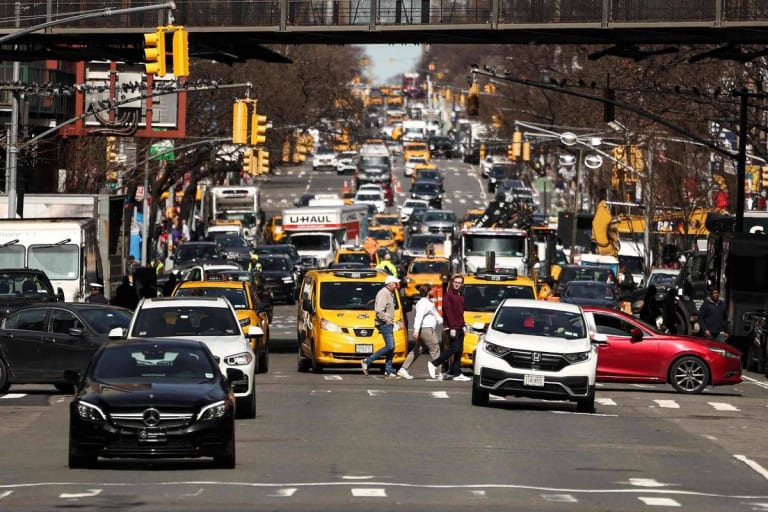
Trump’s proposal aims, according to the administration, to lower the acquisition cost of new vehicles for American consumers, as well as directly benefit workers in the automotive industry. Transportation Secretary Sean Duffy expressed optimism about the initiative, calling it a victory.
A big win.
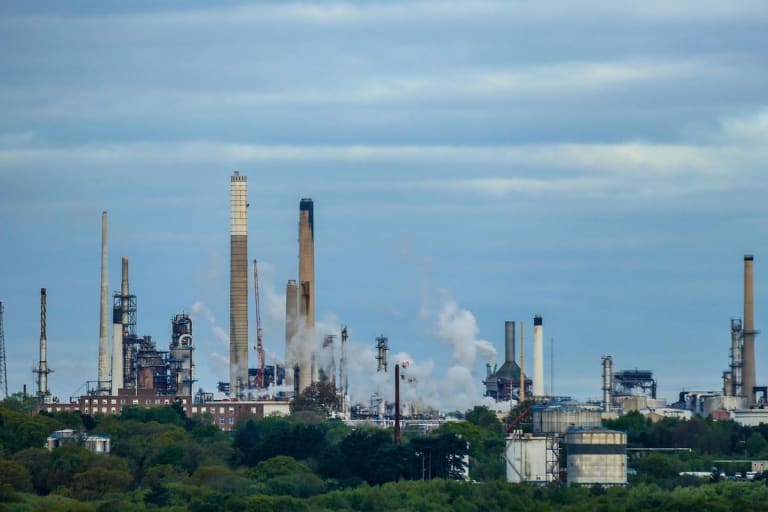
However, experts warn that easing fuel efficiency standards, while potentially making cars cheaper initially, could lead to increased consumption of fossil fuels and, consequently, to a rise in carbon dioxide emissions over the coming decades.
The decision comes amid a challenging economic landscape for North American consumers, who have been facing a sharp increase in gasoline prices, exacerbated by geopolitical tensions in the Middle East. The Biden administration, in contrast, had implemented ambitious energy efficiency targets for vehicles, with progressive annual increases in fuel economy requirements, encouraging the production and adoption of electric and hybrid cars. The previous plan projected a significant increase in average fleet efficiency by 2031.
Trump’s proposal, previously unveiled in December, suggests a more modest and gradual increase in efficiency, with an estimated average of 34.5 miles per gallon (approximately 14.7 km/l) by 2031. This measure, according to the department, could reduce the average price of a new vehicle by about $930. However, projections indicate that this flexibility could result in the consumption of approximately 100 billion additional gallons of fuel and an increase of about 5% in carbon dioxide emissions by 2050, leading to extra costs for drivers in the long run. The Biden administration criticizes the measure, arguing that it favors China in the development of clean technologies and increases dependence on fossil fuels.
Developments and Impact on the Energy Transition
The fuel economy standards policy proposed by Donald Trump marks a turning point in the United States’ energy strategy. While the previous administration, under Joe Biden, prioritized the transition to clean energy and positioned the country as a global leader in electric vehicles, the new approach seeks a balance between vehicle affordability and environmental policy.
The reduction in standards could mean immediate financial relief for consumers and automakers, who would have more freedom to produce internal combustion engine vehicles. However, the long-term impact on carbon emissions and dependence on fossil fuels is a concern raised by environmentalists and the renewable energy industry. The Biden administration argues that this flexibility compromises efforts to combat climate change and solidifies China‘s leadership in the manufacturing of electric car technologies.
Conversely, the Trump administration maintains that its policies aim to protect workers in the automotive industry and make vehicles more accessible. The divergence in strategies reflects an ongoing debate about the pace and form of the energy transition, with distinct views on how to balance economic growth, energy security, and environmental sustainability. The automotive sector and consumers await further developments regarding these new regulations and their effects on the industry and the environment.