UPL and Embrapa join forces in a pioneering initiative to certify Brazilian wheat with a sustainability label.
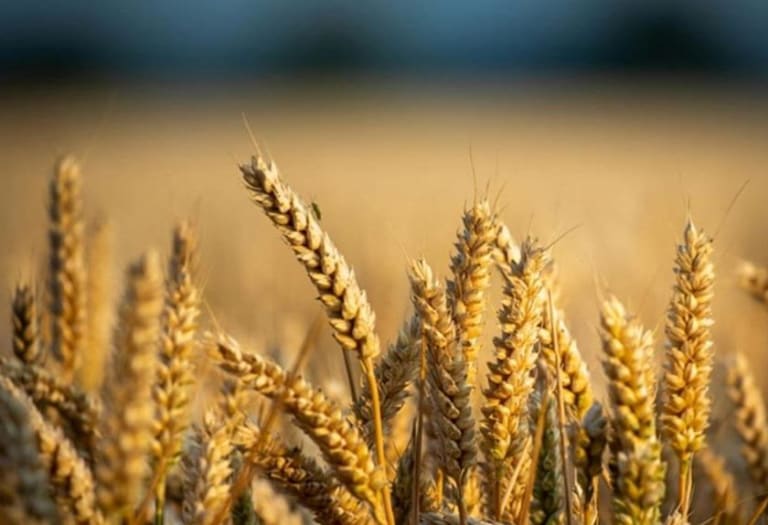
A strategic partnership between the multinational UPL Brasil and Embrapa Trigo promises to revolutionize wheat production in the country. The cooperation agreement integrates UPL into the Low Carbon Wheat (TBC) program, aiming to create the first Brazilian certification protocol for sustainable grain cultivation, culminating in the issuance of an unprecedented label. This initiative reflects the agricultural sector’s growing commitment to practices that mitigate environmental impact.
The project’s primary focus is developing a framework that allows producers to demonstrate the adoption of agricultural techniques with lower greenhouse gas emissions. This label will not only attest to the sustainability of the production but also provide a competitive edge in the market, adding value to domestic harvests that align with the demand for greener products.
Protocol Development and Certification Body Accreditation
The project, scheduled to last four years, will be divided into two crucial phases. The first stage will be dedicated to research and the development of the certification protocol itself. This work will involve defining rigorous criteria and clear methodologies for measuring the environmental impact of agricultural practices.
Subsequently, the second phase aims to accredit private certification firms to conduct the necessary verifications. Participation in the program will be voluntary, allowing producers who already invest in sustainable agriculture or wish to transition to these practices to obtain official recognition.
The Role of UPL and Wheat Expansion in Brazil
UPL Brasil‘s participation in the TBC program is multifaceted and essential to the initiative’s success. The company will be responsible for financing the project, ensuring the resources necessary for research and implementation. Furthermore, it will contribute to governance, provide pilot areas for testing, and share advanced methodologies for carbon measurement in the fields.
The cooperation between Embrapa and UPL comes at a time of significant expansion of wheat into new agricultural frontiers, such as the Cerrado region. Data from the IBGE for 2024 indicate a national wheat production of 7.5 million tons, underscoring the importance of integrating sustainability into the crop’s growth.
Impact and Future Perspectives for Agribusiness
The creation of this sustainability label for Brazilian wheat marks a notable advancement for the national agribusiness sector. By encouraging the adoption of low-carbon practices, the initiative not only positions Brazil as a leader in sustainable agriculture but also responds to the growing global demand for responsibly produced food.
The expectation is that the Low Carbon Wheat label will become a model for other crops, driving the energy transition and the green economy within the agricultural sector. Producers who join the program will be able to enjoy a market advantage, adding value to their production and contributing to a more sustainable future for the planet. The collaboration between research and the private sector is a clear example of how innovation can pave the way for more resilient and ecologically conscious food security.