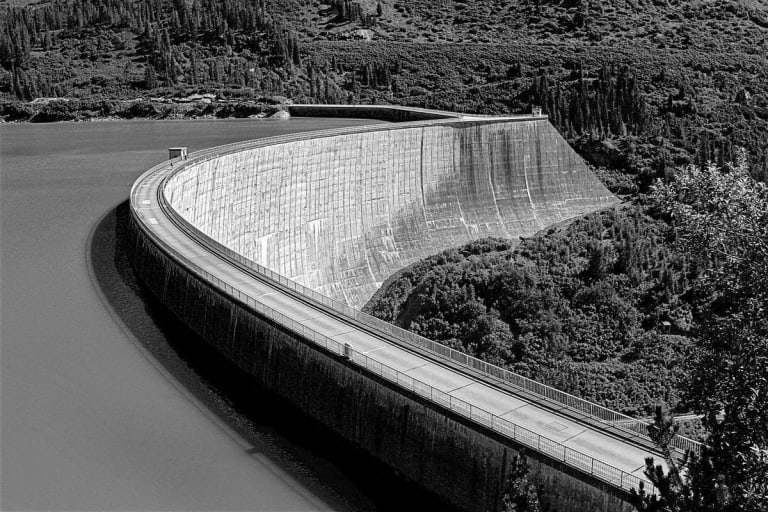
The National Interconnected System (SIN) projects stable operations over the coming months, keeping reservoir storage levels above the 55% mark by the end of October.
The outlook for the clean energy sector in Brazil remains positive. According to initial estimates from the ONS (National Electric System Operator), the country is expected to close October with hydroelectric reservoirs operating at healthy levels, ensuring energy security for the National Interconnected System (SIN).
Maintaining these water levels reflects the efficiency of water resource management and the current energy generation strategy in the country. The expectation is that storage volumes will remain above 55%, a key indicator of stable power supply despite the seasonal weather variations common during this time of year.
The current energy generation landscape
The ONS‘s management through the PMO (Monthly Operation Program) has been fundamental to monitoring energy availability. The Brazilian electricity sector, which is increasingly seeking to diversify its energy sources, continues to rely on hydroelectricity to balance the load.
With reservoirs operating comfortably above 50%, the current scenario dispels immediate concerns regarding the risk of shortages or price surges in final consumer tariffs.
Beyond water issues, experts are closely monitoring energy load demand. As the National Electric System Operator points out, operational flexibility and rigorous monitoring of water levels are the cornerstones for ensuring the grid can support the consumption growth projected for the coming months.
Impacts and future projections
Maintaining this level brings relief to the energy market. Stable reservoir levels not only ensure service continuity but also influence the planning of sustainability policies within the electricity sector.
Brazil’s energy security remains anchored in precise technical management, where continuous monitoring of reservoir levels allows for a more predictable transition into peak demand periods, ensuring the SIN operates with the resilience necessary for the country’s economic development.
Looking ahead, the sector should continue to track ONS updates. The forecast to maintain capacity above half of the total volume is news that fosters confidence among investors and market agents, consolidating the strategic role that water management plays in the national energy matrix.