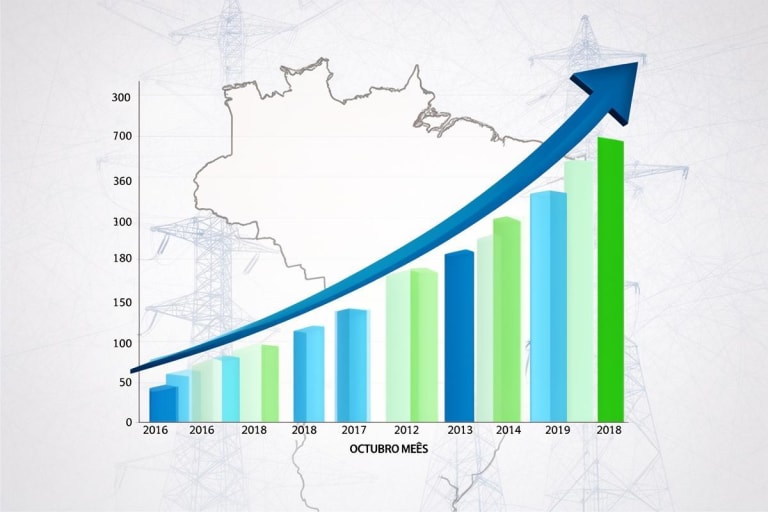
Natural gas is solidifying as a key element for energy supply stability, driven by the growing demand from data centers and new loads.
The accelerated expansion of data centers and the emergence of new and significant energy demands are reshaping Brazil’s energy landscape. In this context, natural gas is emerging as an increasingly vital component to ensure the reliability of the national electrical system, especially during peak consumption periods. Gas’s ability to provide agile and dependable thermal generation positions it as a foundation for the country’s energy security.
This growing reliance on natural gas to meet peak demand and ensure supply continuity in critical moments reflects the evolution of the electricity sector. The need for flexible and fast-response energy sources is amplified by the exponential increase in electricity consumption in data processing centers and by other emerging industrial and commercial loads. GasHub highlights this trend, reinforcing the strategic role of gas for the robustness of the electrical grid.
The rise of data centers in Brazil, driven by digitalization and the popularization of cloud-based services, represents a new and substantial consumption vector. At the same time, other new energy loads also demand a stable and secure supply. Natural gas, with its versatility and capacity to act as a dispatchable energy source, is becoming indispensable for balancing supply and demand, ensuring that the electrical system can meet these growing needs without compromising safety and reliability.