Petrobras is reaffirming its commitment to the energy transition by prioritizing investments in renewable sources that ensure financial viability, focusing on technologies with high return potential.
The pursuit of a more sustainable energy matrix remains a priority for Petrobras, but with a clear directive: economic pragmatism. Under the leadership of Magda Chambriard, the Brazilian state-owned company reaffirmed that its clean energy strategy will not be guided solely by innovation, but by each project’s ability to deliver solid results and long-term profitability for its shareholders.
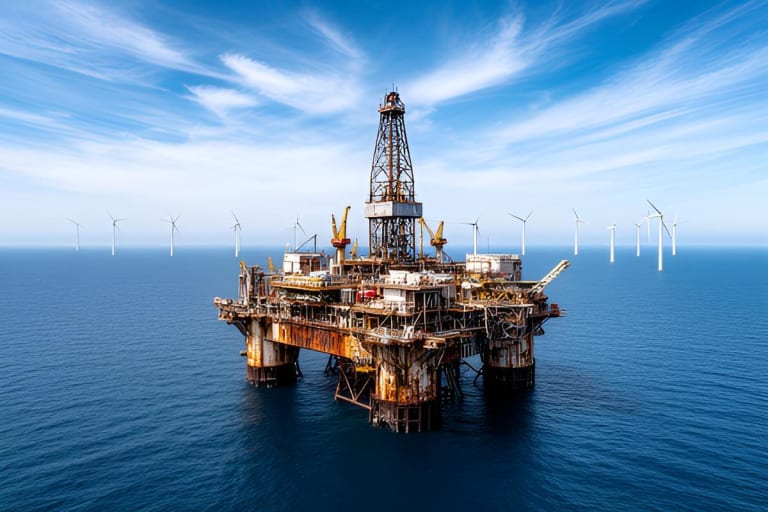
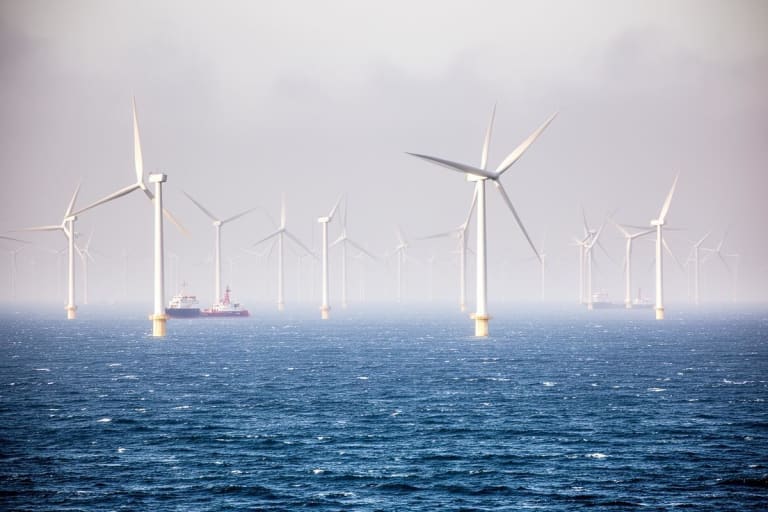
In this scenario, the company is spotlighting technologies that already demonstrate maturity or closer technical viability for the market. The most notable example is the exploration of offshore wind energy, which is in an advanced stage of study. The oil company’s goal is to strategically integrate these sources into its portfolio, leveraging its expertise in maritime operations to enable competitive projects.
The Strategic Role of R&D
While the immediate focus is on assets with assured returns, Petrobras is not ignoring the future. The company maintains a robust Research & Development (R&D) front dedicated to technologies that, though promising, still face cost or scale barriers. The R&D sector, therefore, acts as a barometer to identify when low-carbon innovations will be ready for commercial-scale transition.
Regarding this cautious approach, President Magda Chambriard emphasized the need for responsible capital allocation:
Petrobras will focus its investments on renewable energy projects that offer clear and sustainable financial returns, avoiding those with high risk and no guaranteed return.
Challenges of Green Hydrogen and the Future of the Transition
Conversely, solutions like green hydrogen, often cited as the fuel of the future, are treated with caution. The state-owned company recognizes the disruptive potential of the technology; however, it assesses that, at the current stage, high production costs and logistical uncertainty make the investment less attractive in the short and medium term.
By adopting this stance, the company aims to optimize the efficiency of its financial resources, ensuring that the decarbonization process is carried out without compromising the organization’s fiscal health. The future of the energy transition for the state-owned company, therefore, is not a frenzied race for novelties, but a planned path where sustainability walks hand-in-hand with financial performance.