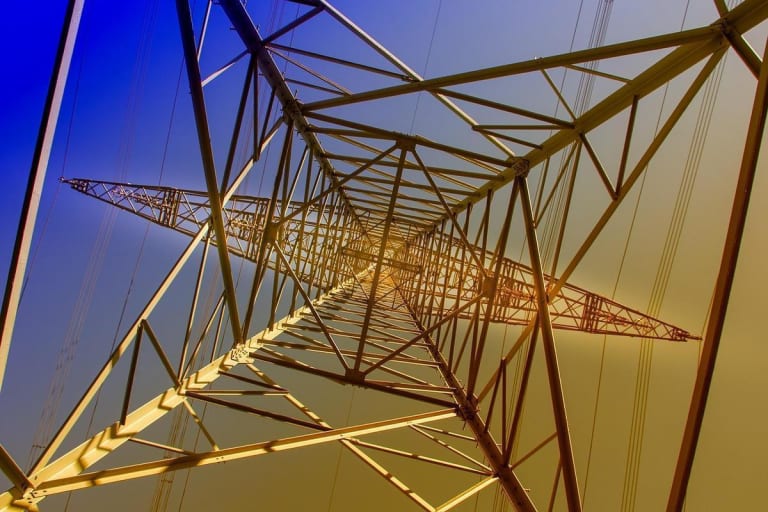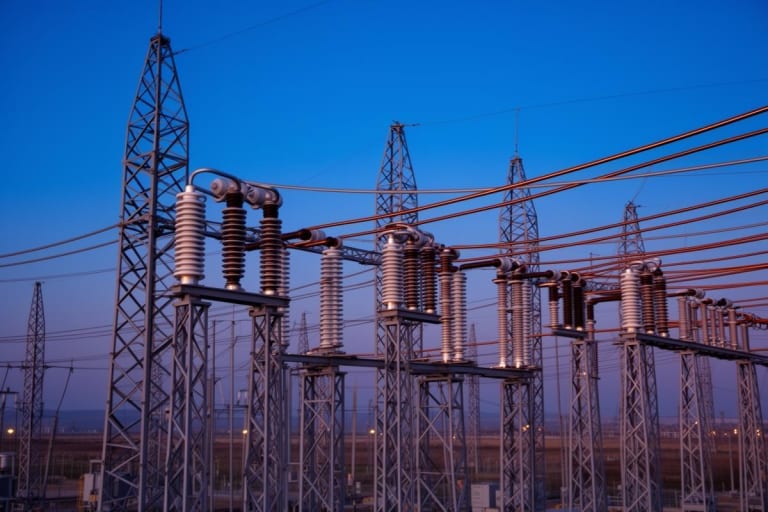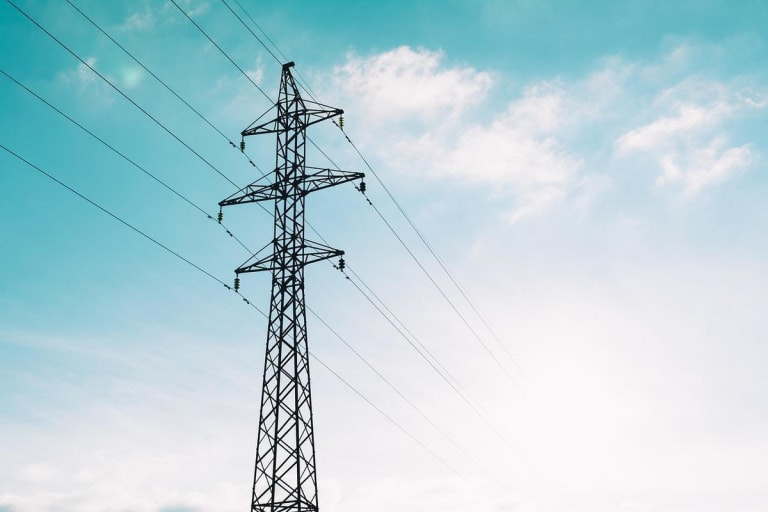
Transmission auction pledges R$ 8.9 billion to expand the grid and resolve energy bottlenecks.
Brazil’s electricity sector is preparing for a major milestone in its infrastructure. The National Electric Energy Agency (ANEEL) has scheduled a transmission auction for October 30th, with an estimated investment of R$ 8.9 billion. The auction aims to build approximately 1,900 kilometers of new transmission lines, in addition to installing and reinforcing substations in several locations across the country.
Although the magnitude of this investment may seem far removed from the consumer’s daily life, transmission infrastructure is the backbone that enables the transport of energy from power plants to consumption centers. A deficient transmission network can create bottlenecks, hindering the flow of production from new power plants and making certain regions more susceptible to supply interruptions.
Public Notice Includes Projects in Seven Brazilian States
The public notice, approved by ANEEL on September 22nd, includes eight lots distributed across seven states: Bahia, Goiás, Mato Grosso do Sul, Paraíba, Paraná, Rondônia, and São Paulo. The expectation is to contract 1,866 kilometers of new lines and sectionalizing, accompanied by an expansion of nearly 13,000 MVA in transformation capacity.
Grid Expansion Ensures Greater Energy Security
With a vast territory, Brazil concentrates its energy generation in different locations. Renewable sources such as wind and solar, as well as large hydroelectric and thermal power plants, often operate far from major consumption centers. Expanding the transmission network is crucial to allowing this generated energy to circulate freely between regions, optimizing resource use and ensuring greater energy security.
Robust Infrastructure Integrates Renewable Energy
The growing share of renewable energy in the national electricity mix intensifies the need for robust infrastructure. During periods of high wind or solar generation, the capacity to transport these energy volumes can become a limiting factor, resulting in operational restrictions. The new lines and substations are designed to increase this capacity, facilitating the integration of new power plants and mitigating localized bottlenecks.
Deadlines and Long-Term Costs
It is important to emphasize that the benefits of these projects will not be immediate on electricity bills. The projects have completion deadlines ranging from 42 to 60 months, indicating that operational effects will only be felt in the medium to long term. The revenue of the companies winning the auction will be regulated by the availability of assets, and the cost of transmission—like generation, distribution, and charges—makes up the final tariff paid by the consumer.
Competition and Viability of New Projects
The analysis of the investment must consider the cost-benefit of expanding the grid against the losses caused by congestion, the risk of blackouts, and difficulties in connecting new sources. An efficient transmission infrastructure not only guarantees supply but also fosters competition among generators, allowing energy produced in one location to reach consumers anywhere in the country, depending on the auction results and the operational impact of each undertaking.
The lack of adequate transmission infrastructure can be a hurdle for new generation projects. Adding new lines and substations in a region makes it more suitable for receiving investments in solar energy, wind energy, storage systems, and new consumption demands. Although transmission infrastructure operates behind the scenes, it is fundamental to the energy ecosystem and impacts the final cost for the consumer.
What to Watch in the October Auction
In the auction, the focal points will be the discount percentage offered by companies in relation to the maximum revenue established by ANEEL and the strict adherence to construction deadlines. Delays in construction can prolong bottlenecks and postpone expected benefits.
The R$ 8.9 billion represents a strategic investment for the future of the Brazilian electricity system. The goal is to build a stronger and more flexible grid capable of supporting the growth of generation, especially renewable sources, without letting expansion become an obstacle to the country’s energy development.