The Aneel agency rejected, by a 3-to-2 vote, an agreement aimed at flexibilizing Eneva‘s thermal power plant contracts at the TCU, raising concerns about future impacts despite projected benefits of R$ 1.7 billion.
The National Electric Energy Agency (Aneel) has rejected a crucial agreement that sought to flexibilize the contracts of Eneva‘s thermal power plants, negotiated within the scope of the Federal Court of Accounts (TCU). The decision, made with a narrow 3-to-2 vote, surprised the sector, which was awaiting approval for the proposal to advance in the TCU‘s Consensual Solution Commission. The deliberation reflects caution regarding the long-term effects of the measure, even in the face of studies indicating considerable financial benefits for consumers.
The agency’s directors expressed uncertainties about the repercussions of flexibilization beyond the review period of the presented studies. This stance contrasts with assessments from the National Electric System Operator (ONS) and the Electric Energy Commercialization Chamber (CCEE), which indicated savings of approximately R$ 1.7 billion for regulated market consumers by 2030, along with gains in operational flexibility and reductions in renewable generation curtailment.
The Impasse at Aneel and Divergent Studies
The vote at Aneel revealed a division of opinions. Although directors Gentil Nogueira and Agnes da Costa voted in favor of the agreement, advocating for the proposal, the majority leaned towards prudence. The Ministry of Mines and Energy (MME) had forwarded the final assessments from the ONS and CCEE to the agency, urging a positive endorsement due to the TCU commission’s deadline.
The ONS studies, which considered the horizon from May 2026 to December 2030, indicated that the proposal would bring gains in operational flexibility and reduce renewable generation curtailment, without significant impacts on energy security. However, the operator identified an increase in thermal generation costs, with a projected cumulative systemic cost to grow by about R$ 1.18 billion.
Despite the increase in thermal generation costs, the ONS stated it did not identify a relevant impact on the energy security of the National Interconnected System (SIN). Conversely, the removal of mandatory thermal generation would make room for greater utilization of renewable sources.
The CCEE, in turn, calculated that the sum of positive effects could result in the aforementioned reduction of R$ 1.7 billion in consumer costs, considering factors such as charges, the Reserve Energy Account (Coner), hydrological risk, and thermal plant contracts. This data was the pillar of the MME‘s advocacy for a consensual solution.
The Thermal Power Plants in Question and the Essence of the Agreement
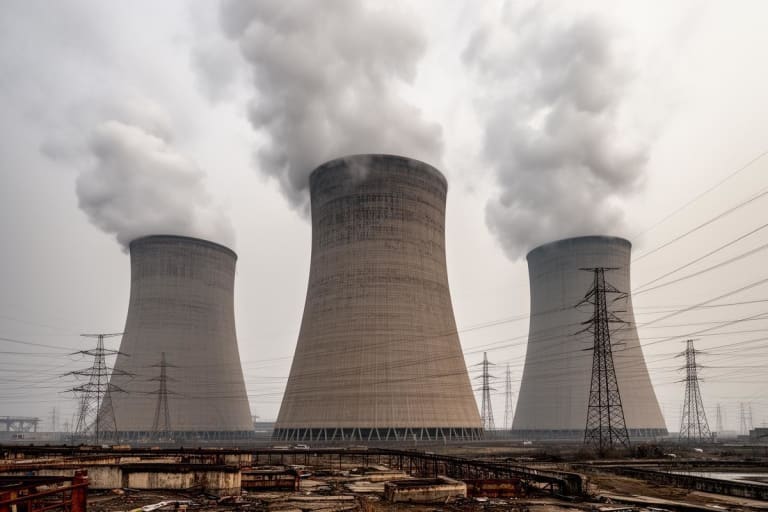
The agreement in question involves the thermal power plants Parnaíba II and VI, from the Parnaíba Complex, and Azulão II and IV, from the Azulão Complex. The core of the proposal lies in removing the inflexibility, which is the portion of energy these plants are obliged to produce, regardless of system demand. The idea is to maintain approximately 1.2 GW of capacity available to the ONS, but with greater flexibility.
The final proposal also includes maintaining the plants’ fixed annual revenue, an increase in the Unit Variable Cost (CVU) for physical dispatch, and reducing the minimum operating time for the units to 12 hours. To mitigate the risk of passing exposure to the Short-Term Market (MCP) to buyers, an option contract would allow Eneva to meet its commercial obligations with its own generation or energy purchase contracts. The agreement was slated to take effect in July 2027.
Next Steps and Future Scenario
Despite Aneel‘s rejection, the outcome of the agreement at the TCU is not yet sealed. There are precedents, such as the case of MEZ Energia, where the court approved a consensual solution without the formal participation of the regulatory agency, which acted only with technical support. This possibility keeps the issue open, and the sector awaits the TCU‘s final decision.
The discussion on flexibilizing thermal power plant contracts reflects the evolution of the energy sector in Brazil. With the advancement of wind and solar generation, which are renewable and sustainable sources, the operating profile of the electric system has changed. The continued presence of thermal plants in the baseload, with high levels of mandatory generation, began to create surpluses at certain times, leading to generation curtailment.
The pursuit of this flexibilization aims to harmonize the energy matrix, optimizing the use of clean sources without compromising supply security and consumer costs. The final outcome of this negotiation will have a significant impact on the energy market structure and the transition to a greener matrix.