Presidential candidates outline strategies for the energy sector, promising to reduce subsidies, lower energy costs, and drive the expansion of renewables and transmission infrastructure.
As elections approach, the platforms of presidential candidates in Brazil are placing the electricity sector at the center of discussions, with ambitious proposals aimed at transforming the country’s energy matrix. The agenda has converged on crucial themes for the future of clean and sustainable energy in Brazil, addressing everything from cost structures to incentives for greener sources.
A central theme of these discussions is the unanimous promise to pursue affordable tariffs for consumers. To achieve this goal, the candidates propose a series of interconnected measures, including a review of subsidies and the strengthening of infrastructure for the generation and distribution of renewable energy.
Subsidy Reduction and Tariff Impact
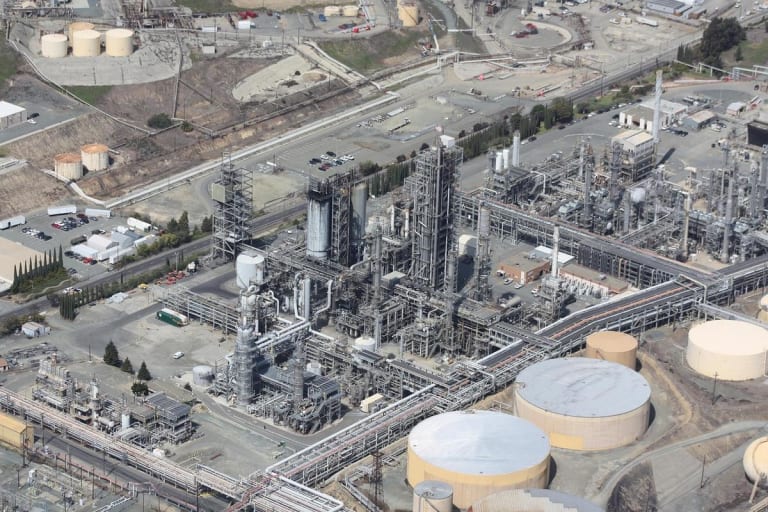
One of the main priorities highlighted by the candidates is the reduction of subsidies in the electricity sector. Currently, various charges and tax benefits burden electricity bills, directly impacting the cost of energy for both end-consumers and industry.
The proposals aim to reduce the burden of tariffs, making them fairer and more accessible. If successfully implemented, this measure could not only alleviate the financial burden on Brazilians but also increase the competitiveness of companies domestically and internationally, fostering energy efficiency.
Expansion of Renewable Sources
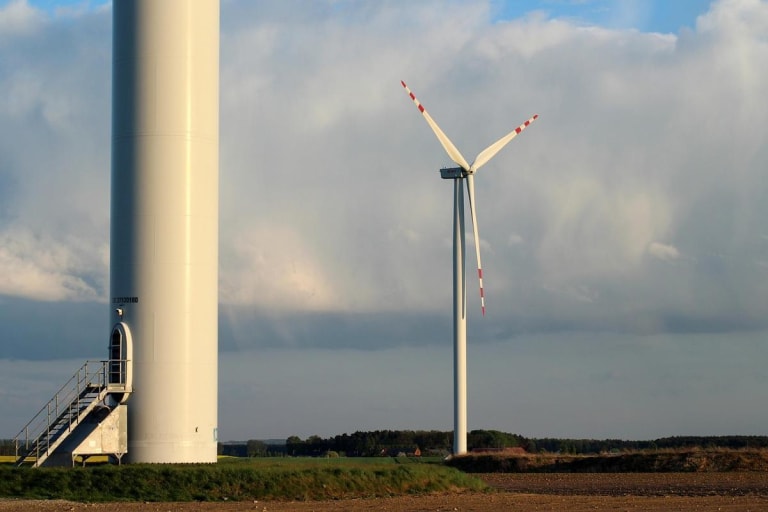
Parallel to the pursuit of affordable energy, there is a strong focus on expanding clean energy sources. The electoral platforms emphasize the need to accelerate investment in renewables such as solar, wind, and other sustainable alternatives.
This diversification of the energy matrix is seen as essential not only for the country’s energy security but also for its commitment to decarbonization and combating climate change. The objective is to position Brazil as a leader in the transition to a low-carbon economy.
Modernization of Transmission Infrastructure
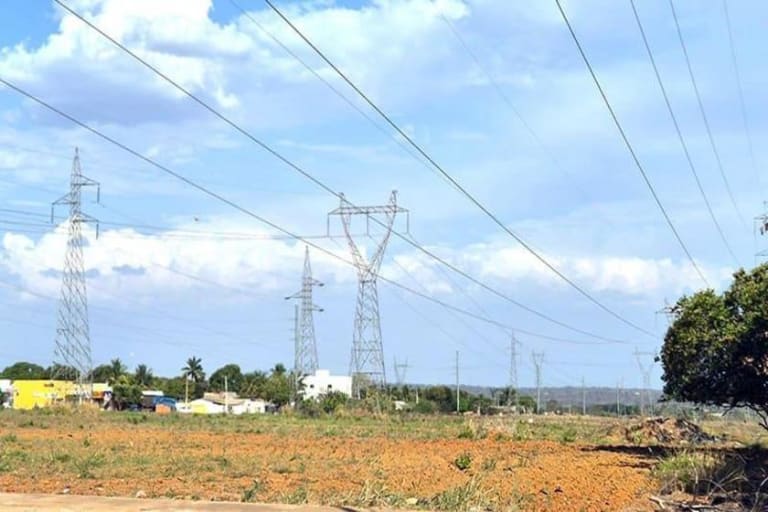
For the energy generated by these new renewable sources to efficiently reach consumption centers, presidential candidates also emphasize the urgent need to expand and modernize the transmission infrastructure network. A robust and intelligent transmission system is fundamental for integrating the growing capacity of distributed and centralized generation, minimizing losses, and ensuring supply stability.
Investment in new transmission lines and technologies is, therefore, a pillar for sector reform and to ensure the delivery of sustainable energy to consumers.
The proposals from the presidential candidates reflect a strategic vision for the future of the Brazilian electricity sector, which seeks to balance the need for accessible tariffs with the urgency of the energy transition.
The implementation of these energy policies will require careful planning and coordination among different levels of government and energy market players. The potential impact is the construction of a more resilient, sustainable, and competitive electricity sector, capable of meeting the growing demand for clean and affordable energy in the coming decades.