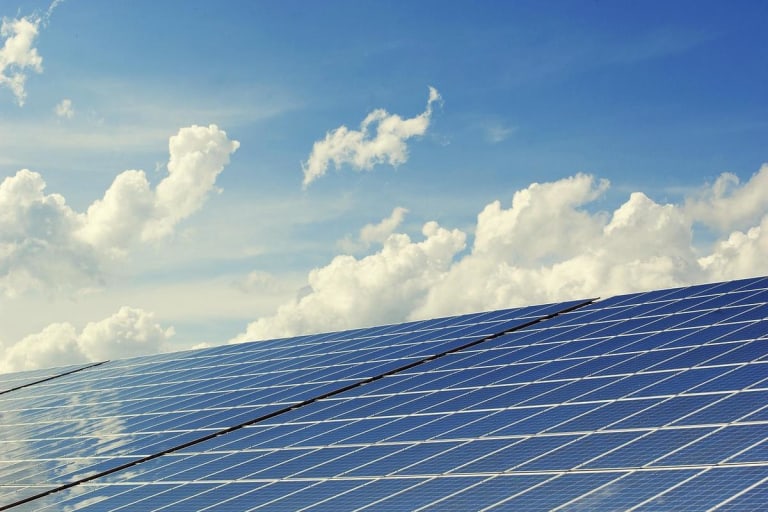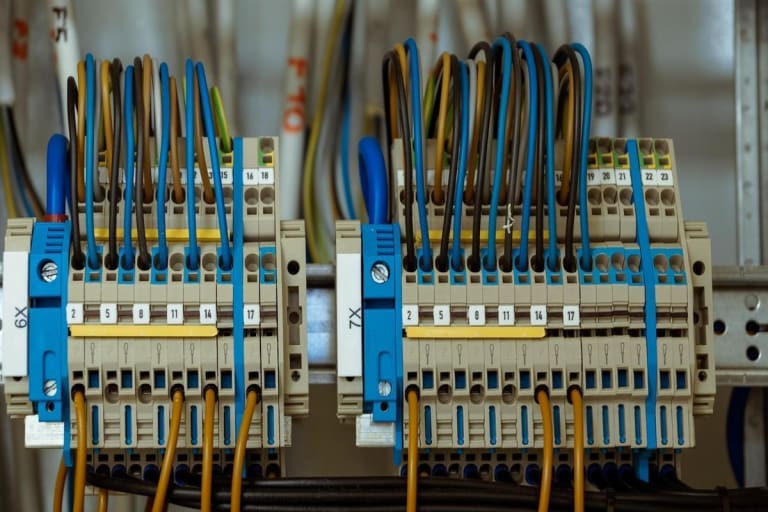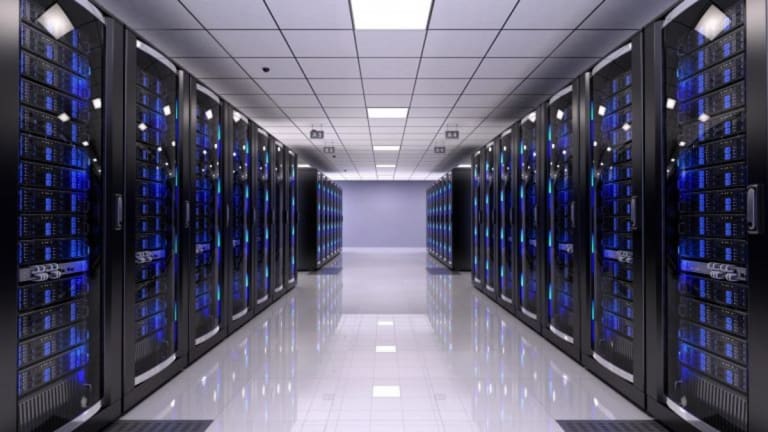
Axia Energia highlights that the supply security for data centers utilizing renewable sources directly depends on a robust project architecture, driving the debate on energy infrastructure in Brazil.
The future of digital infrastructure and its relationship with energy sustainability takes on new dimensions in Brazil. Axia Energia, a company active in the clean energy sector, emphasizes that the viability of data centers operating exclusively with renewable sources is fully achievable, provided that the technical design of the project is carefully planned to guarantee supply security.
This position emerges at a strategic moment, following the enactment of the Special Tax Regime for Datacenter Services (Redata), which aims to foster investments in the segment.
The new tax policy, although originally focused on renewable energies, now also covers “low-emission” sources, such as natural gas, pending definitions from an inter-ministerial ordinance.
For Juliano Dantas, Vice-President of Technology and Innovation at Axia Energia, this expansion does not diminish the potential of renewables at the core of these projects.
The key lies in developing engineering solutions that overcome the natural intermittency of sources like solar and wind, ensuring the essential continuity for data center operations.
Architecture and Reliability: The Axia Paradigm
The company argues that a commitment to renewable energies must be paramount in the design of data centers. Dantas points out that reliability, often seen as an obstacle, can be resolved through innovations and specific technical approaches.
He highlights the positive impact of Redata’s enactment on the sector’s advancement in the country.
“We are moving in the right direction; this is what we must celebrate now.”
The Axia executive underscores the need for regulatory progress that includes clear price signals and adequate grid planning. This is vital to ensure that the growth in demand for large energy loads is matched by an electricity grid capable of guaranteeing stability.
The intelligent allocation of these data centers can generate systemic benefits, diluting infrastructure costs among all consumers. Axia Energia already invests in Research and Development (R&D) projects to deepen knowledge about the integration of these large loads into the national electricity grid.
Regulatory Challenges and EPE’s New Planning
In parallel, the Energy Research Company (EPE), represented by its president, Thiago Prado, highlighted the challenges in planning for the integration of large loads that can reach up to 5 GW.
According to Prado, the current scenario demands a paradigm shift: access recommendation studies now need to consider not only the loss of the largest plant but also the impact of the eventual loss of the largest load on the system.
Another concern for EPE is the “arbitrage” by developers, who seek advantages in connecting energy-intensive projects by exploiting regulatory differences between distribution and transmission networks.
EPE has already sent official communications to the Ministry of Mines and Energy (MME) and the National Electric Energy Agency (Aneel) to harmonize rules and ensure a fairer and more efficient process for all involved in the electric energy sector.
A Future of Sustainable Growth for Data Centers
Discussions at the TechGrid 2026 event in Rio de Janeiro highlight a scenario of intense transformation for data center infrastructure in Brazil.
The integration of renewable energies is seen as an inevitable and beneficial path, but it requires continuous evolution in project architecture and the regulatory framework.
With the progress of Redata and companies’ commitment to innovation, Brazil is positioned to attract significant investments, boosting the digital economy in a more sustainable and efficient way, while simultaneously improving the energy reliability of its system.