
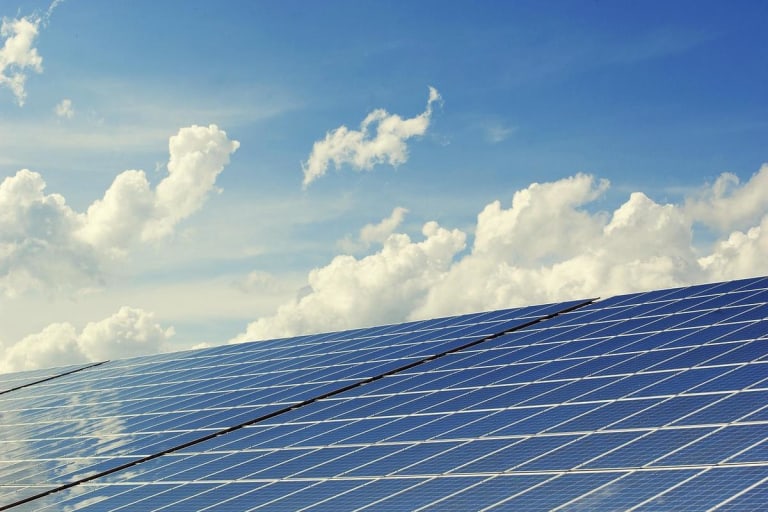
Aneel boosts energy inclusion with a new regulatory sandbox for remote areas.
The quest to universalize access to electricity in Brazil enters a new chapter with the approval by the National Electric Energy Agency (Aneel) of the regulations for the “Energias da Floresta” (Forest Energies) regulatory sandbox. The initiative, detailed in the Official Gazette, aims to develop and test innovative solutions to bring electricity to isolated and remote communities, with an initial focus on the vast Legal Amazon region.
This experimental regulatory environment will allow for the exploration of pilot projects that could, in the future, be replicated in other parts of the country where energy access remains a challenge. The proposal stands out for fostering collaborative governance, bringing together the public sector, the private sector, academia, civil society, and, crucially, the traditional peoples and communities directly impacted by the lack of electricity.
Focus on Sustainability and Efficiency
Projects developed within this sandbox must prioritize environmental sustainability and energy efficiency. Integration with existing public policies is another key point, ensuring that new solutions not only provide electricity but also contribute to local development in an integrated and scalable manner.
The design of this sandbox featured an unprecedented participatory process, including a workshop held in August with representatives from various spheres at the Tapajós-Arapiuns Extractive Reserve (Resex) in Pará. The event, organized by Aneel in partnership with the Institute for Energy and Environment (Iema) and supported by the Inter-American Development Bank (IDB), sought to gather local needs and realities to shape the proposed solutions.
Vinícius Oliveira da Silva, a researcher at Iema, stated:
“People were present, visited different communities, and saw how the lack of public service impacts productive activities, schools, and health centers.”
“We saw how energy is a means to ensure that various services are provided.”
Energy poverty in Brazil directly affects essential services. According to Iema, more than 3,600 schools and nearly 1,000 basic health units operate in areas without reliable access to electricity.
Furthermore, more than 84,000 establishments focused on extractive production in the Legal Amazon lack any source of energy—a factor that may encourage the use of fossil fuels and the emission of greenhouse gases.
Promising Results and Solar Technology
Analyses by Iema reveal that 313 energy inclusion pilot projects have already been implemented across the Pan-Amazon region. Photovoltaic solar energy emerges as the most prevalent technology, used in all initiatives, with 86% of them integrating battery storage systems. These projects demonstrate a promising path, with most communities drastically reducing or completely eliminating the use of diesel for power generation.
The “Energias da Floresta” sandbox, therefore, represents a strategic step toward democratizing access to clean and sustainable energy, promoting development, and improving the quality of life in historically neglected regions. The initiative paves the way for overcoming energy poverty and strengthens the country’s energy transition.
RELATED NEWS
 Legal and Regulatory Transformations Place Legal Certainty at the Heart of the Electric Sector’s Agenda
READ MORE
Legal and Regulatory Transformations Place Legal Certainty at the Heart of the Electric Sector’s Agenda
READ MORE
 Abrace Proposal: Cutting 109 Billion Reais from Electricity Bills is the Goal for Presidential Candidates
READ MORE
Abrace Proposes R$ 109 Billion Cut in Electricity Bills to Presidential Candidates
READ MORE
Abrace Proposal: Cutting 109 Billion Reais from Electricity Bills is the Goal for Presidential Candidates
READ MORE
Abrace Proposes R$ 109 Billion Cut in Electricity Bills to Presidential Candidates
READ MORE