
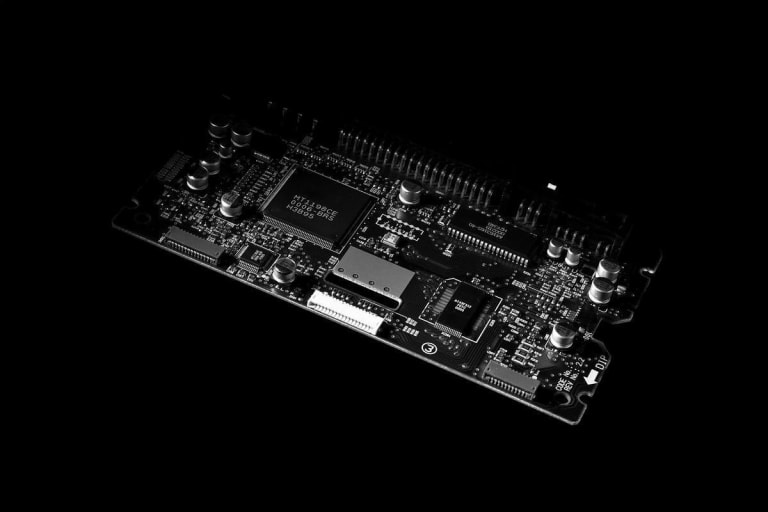
The **EPE** developed **MAR**, a new strategic tool to monitor the flexibility of the Brazilian electric system given the growing reliance on variable renewable sources, such as **solar** and **wind**.
The **Empresa de Pesquisa Energética (EPE)** has taken a decisive step to modernize the planning of Brazil’s national energy mix. The state-owned company proposed to the sector the adoption of operational flexibility as the third fundamental pillar of security, on par with traditional criteria for energy and capacity.
This move addresses the urgent need to adapt the electricity grid to the energy transition. With the accelerated expansion of solar and wind farms, the system faces the constant challenge of adjusting its supply to the natural intermittency of these sources, ensuring stability even during rapid demand fluctuations.
Technology to Measure Grid Resilience
At the heart of this proposal is the **Ramp Adequacy Model (MAR)**. The tool was designed to calculate the capacity of the generating fleet and storage systems to respond promptly to variations in net load. The focus is on preventing operational deficits when demand grows at the exact moment renewable generation loses momentum.
One of the clearest examples of this bottleneck occurs in the evening, when **solar energy** is drastically reduced and public consumption reaches its peak. In these moments, the system needs to activate other sources with exemplary agility to compensate for the gap, a scenario that **MAR** seeks to anticipate and mitigate with mathematical precision.
The implementation of these indicators will allow for a more robust assessment of energy security, ensuring that the system not only has sufficient energy volume but also the necessary response capability to maintain grid stability in any scenario.
Performance Indicators and Next Steps
To measure this performance, the model introduces two crucial metrics: **LOFP (Loss of Flexibility Probability)**, which identifies the likelihood of a flexibility deficit, and **EFS (Expected Flexibility Shortfall)**, which estimates the size of this shortfall in the most critical scenarios.
These simulations incorporate real variables such as plant startup times, transmission line restrictions, and reservoir levels. The goal is to integrate these metrics into the official planning of the **National Electric Energy Agency (Aneel)**.
The expectation is that, after technical analysis, the **Ministry of Mines and Energy (MME)** and the **National Council for Energy Policy (CNPE)** will formalize the new criterion. With this change, Brazil reinforces its leadership in sustainability, lending greater reliability to the electric system in an increasingly renewable future.
RELATED NEWS
 Government enacts critical minerals framework to boost industrialization and national sovereignty
READ MORE
Government enacts critical minerals framework to boost industrialization and national sovereignty
READ MORE
 EPE Proposes Demand Response for Optimizing Energy in New Data Centers
READ MORE
EPE Proposes Demand Response for Optimizing Energy in New Data Centers
READ MORE
 Legal and Regulatory Transformations Place Legal Certainty at the Heart of the Electric Sector’s Agenda
READ MORE
Legal and Regulatory Transformations Place Legal Certainty at the Heart of the Electric Sector’s Agenda
READ MORE