India is advancing its energy transition with renewables holding back coal, but the industrial sector is fueling the increase in global CO2 emissions.
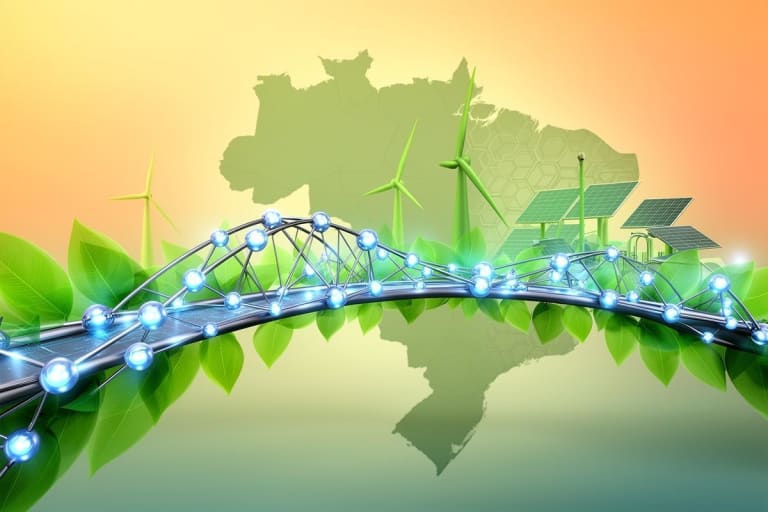
India, one of the world’s largest emitters of greenhouse gases, finds itself at a turning point in its energy journey. Over the past two years, electricity generation from coal has remained stagnant, a remarkable achievement for a country historically heavily reliant on this fossil fuel. This milestone has been reached thanks to the exponential growth of renewable energy, which has absorbed the entirety of additional electricity demand.
However, despite progress in the power sector, India’s overall CO2 emissions landscape remains challenging. Recent data reveals that the country’s total emissions grew by 3.7% in the first half of 2026, driven primarily by sectors such as steel and cement. This duality highlights the complexity of India’s energy transition, where the race for cleaner sources in the energy sector contrasts with the persistent reliance on fossil fuels in heavy industry.
Clean Energy Curbs Coal
For the first time in over half a century, India has recorded two consecutive years without an increase in coal-fired thermal power generation, even amidst growing electricity demand. This stabilization is a testament to massive investment in renewable energy. Analyses from Carbon Brief and data from the Centre for Research on Energy and Clean Air (CREA) indicate that non-fossil fuel sources fully met the country’s 7% increase in electricity demand, adding a significant 63 terawatt-hours (TWh).
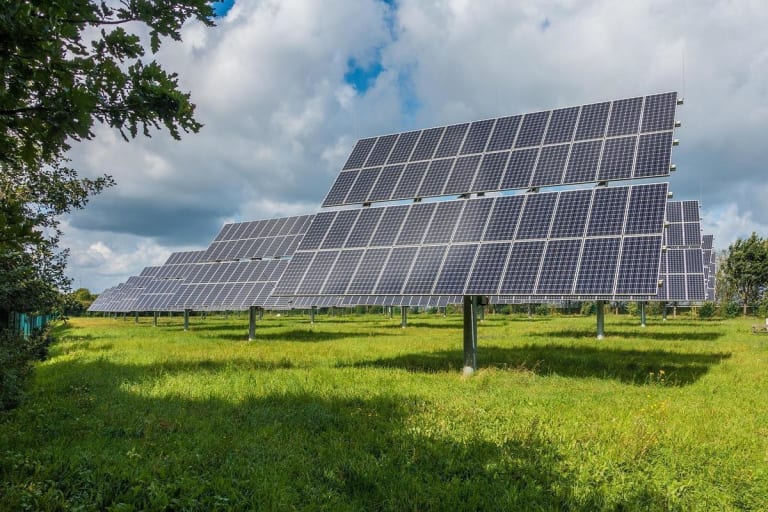
Solar energy played a crucial role, contributing about 60% of this demand growth, with the installation of 77 gigawatts (GW) of capacity over the past two years. Furthermore, consumption of oil and gas also fell for the second consecutive year, a trend influenced by global price fluctuations and geopolitical events such as the 2026 Middle East conflict. These trends show significant progress in the decarbonization of India’s electricity mix.
The Challenge of Industrial Emissions
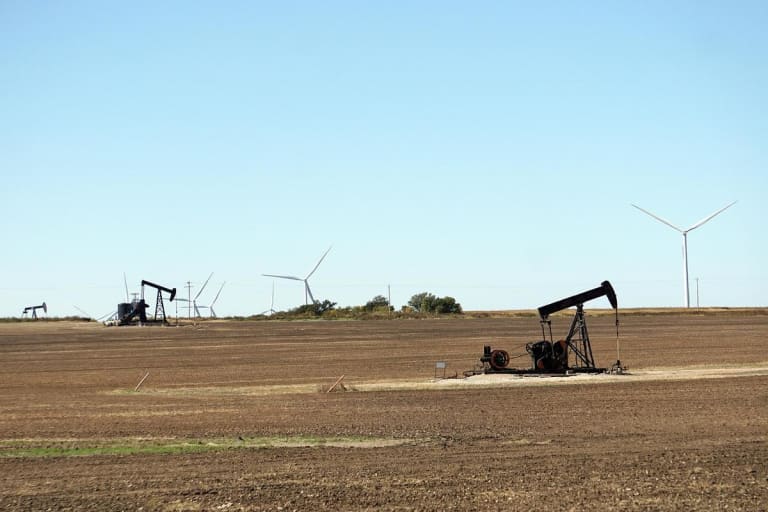
While the power sector moves towards a lighter carbon footprint, Indian industry emerges as the main obstacle to reducing total CO2 emissions. The cement and steel industries, in particular, recorded an 8% increase in their emissions compared to 2025, accounting for 23% of the total CO2 emitted by the Indian economy in the first half of this year. This rise in industrial emissions offset the gains achieved in the energy sector.
This reliance on fossil fuels in critical industrial processes represents a substantial challenge to India‘s climate ambitions. The need to develop and implement decarbonization technologies for these sectors is urgent to align economic growth with environmental commitments.
Climate Goals and Future Outlook
In March, India updated its Nationally Determined Contributions (NDCs) for the Paris Agreement, setting targets to reduce the carbon intensity of its economy by 47% by 2035, compared to 2005 levels. Although this approach allows for economic growth without an absolute cut in CO2 emissions, recent results show the country is exceeding expectations in its decarbonization efforts.
Targets for clean energy are also considered conservative, projecting 60% share in installed capacity by the next decade, while the Central Electricity Authority estimates that renewable energy could reach 70% by 2035.
India added solar, wind, hydro, and nuclear capacity in the past year, and the unprecedented drop in coal generation demonstrates even greater potential. Overcoming bottlenecks in transmission and distribution infrastructure will be crucial to accelerate this energy transition and solidify India‘s role as a leader in sustainable energy.
The balance of India’s energy transition reflects a race against time. The notable success in curbing coal generation through the advancement of renewable energy is a beacon of hope.
However, the continued growth of CO2 emissions from the steel and cementindustry underscores the urgency for policies and investments in clean technologies for these sectors. India’s ability to overcome these hurdles will define not only its own environmental future but also have a significant impact on global efforts to combat climate change.