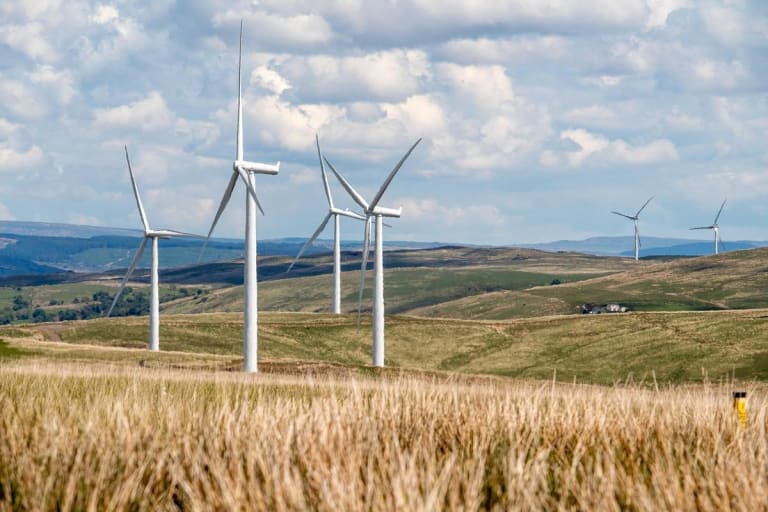
The Brazilian electricity sector faces a growing challenge with the waste of renewable energy. New data reveals that solar and wind generation curtailment reached concerning levels in 2026.
Brazil’s energy infrastructure is under pressure. A recent survey by consultancy Volt Robotics indicates that, in the first eight months of 2026, the country recorded 51 days in which curtailment — the deliberate reduction in clean energy production by determination of the ONS (National Electric System Operator) — reached alarming levels.
On nearly all of these critical days, over 60% of the available renewable capacity was restricted. The situation was even more severe on 12 of these dates, where production curtailment reached 80%. For comparison, during the same period the previous year, the country had recorded 30 days with restrictions above 60%, highlighting an acceleration in the phenomenon of energy waste.
Volume of Wasted Energy on the Rise
The financial and energy impact is significant. The average volume of electricity that was not injected into the grid between January and August grew by 18.3% compared to 2025, totaling 3,853 MMWh. The scale of this amount is significant: the energy that was set aside would be enough to supply the residential demand of the metropolitan areas of São Paulo, Rio de Janeiro, and Fortaleza combined.
Since Volt Robotics began its measurements in October 2021, at least 73.4 million MWh have been rendered unusable. However, what most draws specialists’ attention is not just the volume, but the root cause of these interruptions.
Excess Supply or Systemic Bottleneck?
The nature of the restrictions has changed dramatically. According to the study, 67% of the curtailments recorded through August 2026 were driven by strictly energy-related reasons, caused by excess supply in relation to the system’s absorption capacity. This rate was 49% in 2025 and only 21% in 2024.
Regarding this paradigm shift, industry analysts observe:
The frequency of these episodes changes how we view the operation of the SIN (National Interconnected System). With a considerable portion of renewable generation being shut down, the system loses flexibility to react to unforeseen events, such as grid failures or sudden variations in demand.
The diagnosis suggests that the problem has moved beyond transmission line barriers. Today, Brazil is discussing the urgent need for solutions that bring intelligence to the grid. The integration of energy storage systems and demand response programs, therefore, become essential to prevent the country’s renewable potential from continuing to be wasted during peak generation periods.