
Presidential candidates receive roadmaps for climate transition, focused on zero deforestation, bioeconomy, and sustainable financing, with the main divergence concerning oil exploration.
The presidential election race in Brazil gains a new and crucial chapter with the delivery of four detailed roadmaps for climate transition, prepared by influential entities from the productive sector and civil society.
The message to the presidential hopefuls is unanimous: the next government cycle, between 2027 and 2031, will demand concrete results, not just ambitious targets for environmental policy.
These proposals, though stemming from diverse perspectives, converge on essential points such as forest conservation, the promotion of the bioeconomy, and the urgency of climate finance mechanisms.
However, a significant division emerges concerning the future of oil exploration in the country, highlighting the complexity of the upcoming challenges in the sustainable development agenda.
Four Voices, One Green Agenda
The proposals were developed by significant organizations: the Brazilian Business Council for Sustainable Development (CEBDS), representing large corporations; the Brazil Climate, Forests and Agriculture Coalition, which brings together various actors linked to agribusiness and the environment; the Talanoa Institute, a think tank dedicated to climate policies; and the Climate Observatory (OC), a vast network of NGOs.
An analysis of these documents reveals a consensus on seven priority axes for the energy and climate transition.
These axes include zero deforestation and the effective application of the Forest Code, the transition to low-carbon agriculture, socio-environmental traceability of production chains, and the implementation of climate financing, such as the carbon market and sustainable taxonomy.
Furthermore, the entities highlight the bioeconomy and the restoration economy as drivers of development, a just energy transition, and climate adaptation focused on disaster prevention and water security.
Just Transition and the Fight Against Inequalities
A crucial point highlighted in the proposals is that climate transition goes beyond mere technological or market changes. It must be social, economic, and political, aiming to correct historical inequalities, promote social inclusion, and combat environmental racism.
This implies creating decent green jobs, guaranteeing territorial rights, eradicating energy poverty, and fostering inclusive mobility.
The general perception is that the climate crisis directly impacts the lives of the population, manifesting in increased electricity bills due to droughts, food inflation, and the frequency of natural disasters.
Forest and Agribusiness: Non-Negotiable Pillars
The protection of biomes and land tenure regularization are considered non-negotiable pillars for the economy, rural security, and Brazil’s international reputation.
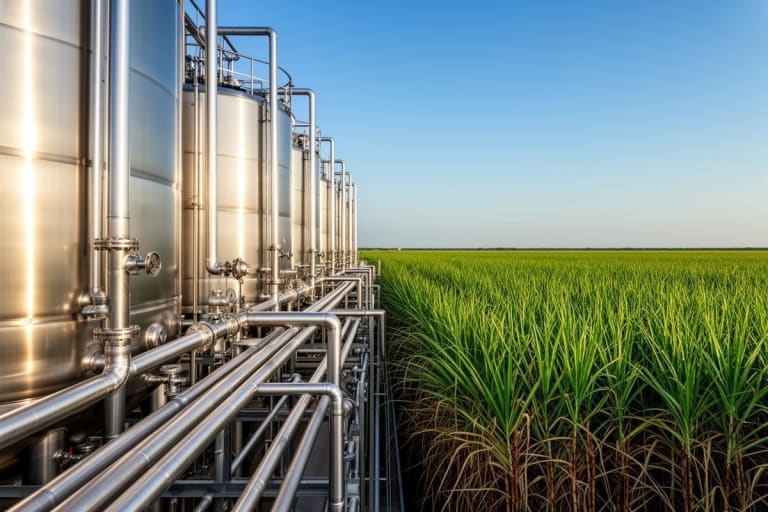
Agribusiness is recognized as a key sector, both for its contribution to Greenhouse Gas (GHG) emissions and for its vast opportunities for mitigation and economic competitiveness gains.
There is a strong consensus on the need to accelerate the analysis of Rural Environmental Registries (CAR) and the implementation of Environmental Regularization Programs (PRA). The regularization of rural properties is seen as a decisive step to unlock investments in the sector’s transition.
The proposals suggest conditioning access to financing lines, such as the Harvest Plan (Plano Safra) and the Low-Carbon Agriculture Plan (Plano ABC+), on compliance with the Forest Code and the demonstration of sustainable metrics, offering differentiated interest rates for environmentally compliant producers.
Transparent traceability systems, from farm to consumer, are considered a competitive advantage for accessing demanding global markets.
“In an increasingly rigorous international scenario, marked by demands such as the European Union Deforestation-Free Products Regulation (EUDR), traceability has ceased to be merely a regulatory agenda and has become a competitive advantage,” states the Brazil Coalition.
The Talanoa Institute further proposes financial incentives for adopting more efficient agricultural practices, such as rural credits with subsidized interest rates for those using efficient irrigation technologies, no-till farming, and integrated crop-livestock-forestry (ICLF) systems.
To preserve the standing forest, the proposals also advocate for the development of socio-biodiversity chains, generating green jobs and income, with large-scale forest restoration, anchored in the National Plan for the Recovery of Native Vegetation (Planaveg), as a new economic frontier.
Oil: The Point of Disagreement in the Energy Transition
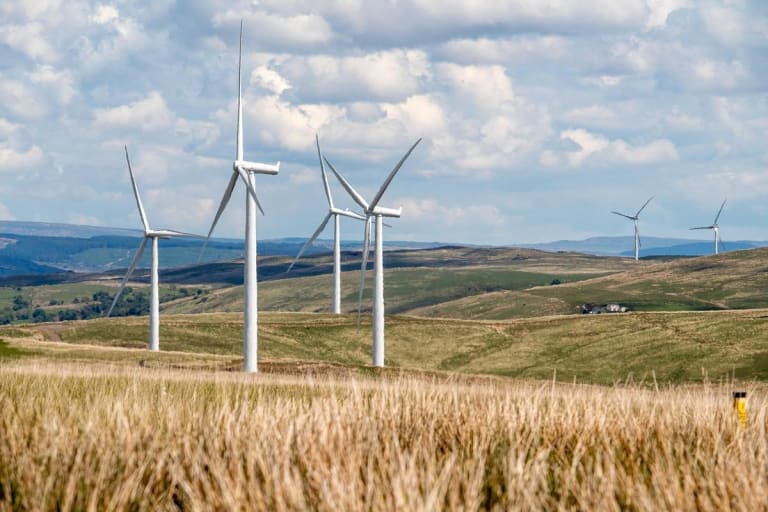
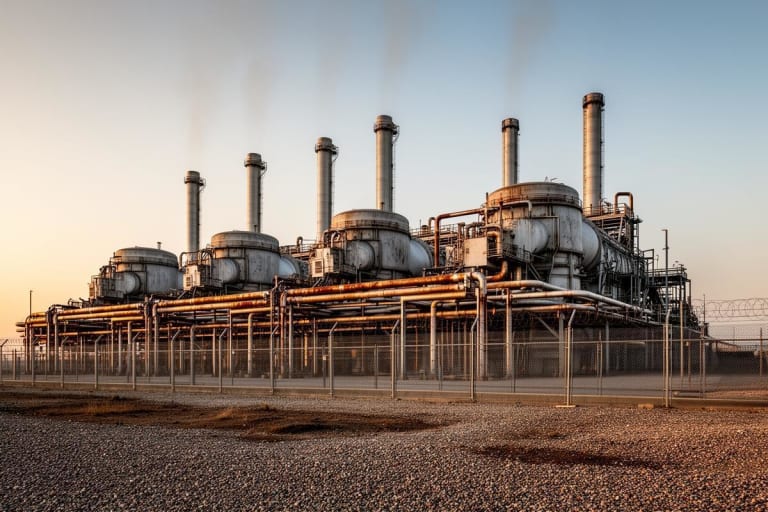
The issue of oil emerges as the main point of divergence among the entities’ proposals. While the Climate Observatory and the Talanoa Institute advocate for a faster and more abrupt transition away from fossil fuels, CEBDS and the Brazil Coalition support a gradual energy transition.
The more radical proposals include an end to new oil exploration auctions, a ban on fracking, the elimination of fossil fuel subsidies, and the phasing out of coal this decade. They also reject carbon capture and storage (CCS) technologies.
Both organizations advocate for a reorientation of Petrobras‘ business model towards decarbonization, proposing to limit oil exploration to existing wells and prevent the opening of new fronts in regions such as the Equatorial Margin.
The Talanoa Institute further suggests that the next President of the Republic appoint a leader for Petrobras committed to a just energy transition and with clear indicators of progress within four years.
The main argument against oil expansion is that it does not reduce Brazil‘s vulnerability to external shocks in fuel and fertilizer prices.
On the other hand, CEBDS and the Brazil Coalition focus on a gradual transition, with the expansion of biofuels and green hydrogen, without calling for an end to new frontier exploration.
Financing: The Fuel for Transition
The need for financing a low-carbon economy is a point of agreement among all entities. The proposals converge on the regulation and operation of the Brazilian Emissions Trading System (SBCE), the regulated carbon market, and the implementation of the Brazilian Sustainable Taxonomy.
“Eco Invest and the consolidation of sustainable finance complete this architecture, offering regulatory predictability and attracting capital to Brazil,” states CEBDS.
However, the nuances of how to finance the transition reveal differences. CEBDS and the Brazil Coalition prioritize market mechanisms, such as blended finance and the attraction of private capital.
Meanwhile, the Climate Observatory and the Talanoa Institute argue that the private market is not sufficient for more vulnerable municipalities, advocating for non-reimbursable resources for adaptation, disaster prevention, and climate justice.
The Climate Observatory points out that despite the Climate Fund‘s BRL 27.5 billion budget in 2026, the non-reimbursable portion is insufficient to serve approximately 1,500 municipalities that combine high climate vulnerability and low fiscal capacity.
CEBDS also proposes a climate agenda financing indicator, which would bring together public spending, carbon market resources, and sustainable investments.
Water Security in Climate Adaptation
Climate adaptation, with a focus on water security, is a unanimous concern. Water availability is intrinsic to food production, energy generation, and infrastructure.
CEBDS suggests water reuse and a national regulatory framework for the use of treated effluents in industry and agriculture. The Brazil Climate Coalition advocates for payment for environmental services (PES) to producers and communities that preserve vegetation in areas crucial for aquifer recharge.
In addition to incentives for efficient irrigation, the Talanoa Institute warns about the vulnerability of electricity generation to extreme droughts, proposing grid modernization and rapid response mechanisms to protect energy infrastructure.
The think tank further proposes, for the first 100 days of government, national protocols for prevention and response to extreme events in conjunction with states, municipalities, and the Civil Defense.
Finally, the Climate Observatory advocates that, during periods of drought, priority should be given to human consumption and animal watering, which is essential for agricultural production.
The Future Impact
The proposals delivered to the presidential candidates solidify the climate agenda as a central pillar for Brazil‘s future. The convergence on topics such as zero deforestation, low-carbon agriculture, and sustainable financing demonstrates a maturity of the debate.
The divergence regarding oil, however, underscores one of the country’s biggest strategic challenges: how to reconcile the exploration of fossil resources with the urgency of a green energy transition.
The coming years will be decisive in defining Brazil‘s trajectory in the global clean and sustainable energy landscape, and how these roadmaps are assimilated by future leaders will determine the nation’s environmental legacy.