Brazilian Voters Value Climate Agenda, but Government Actions Still Generate Mistrust.
Concern over climate change and the search for environmental solutions are emerging as a fundamental pillar in the Brazilian voter’s decision, according to a recent study. The survey, conducted by the Climate Observatory, reveals a high degree of public engagement with proposals aimed at mitigating the impacts of global warming.
Although climate urgency is widely recognized, it still competes with other immediate social demands on the national priority list. However, the demand for concrete actions from candidates is undeniable, shaping the political landscape for the upcoming elections.
The Voice of the Brazilian Voter in Numbers
The survey interviewed 1,800 Brazilians over 18 years old, and the results are striking: an impressive 91% consider it essential for candidates to present consistent action plans to deal with climate change. Of this total, a significant majority of 62% rate the issue as “very important”.
This priority, however, is not immediately reflected in the perception of the country’s most urgent problems. Climate change ranks ninth, behind issues such as health and public safety.
Environmental Priorities in Focus
When it comes to the environment, climate change stands out as the number one concern, affecting 35% of respondents. Waste management and air pollution follow on the list, with 21% and 15%, respectively.
In the fight against greenhouse gas emissions, reducing deforestation and wildfires emerges as the main expected measure, pointed out by 41% of Brazilians. The transition away from fossil fuels is also gaining momentum, with 27% prioritizing this front.
Mistrust and Expectations Regarding Government
An alarming finding is the dissatisfaction of 47% of Brazilians with the government’s performance in the face of climate disasters. This perception reflects a gap between discourse and practice.
Marcio Astrini, executive secretary of the Climate Observatory, highlights this dichotomy:
Brazilians seek commitments that are not being reflected in practice.
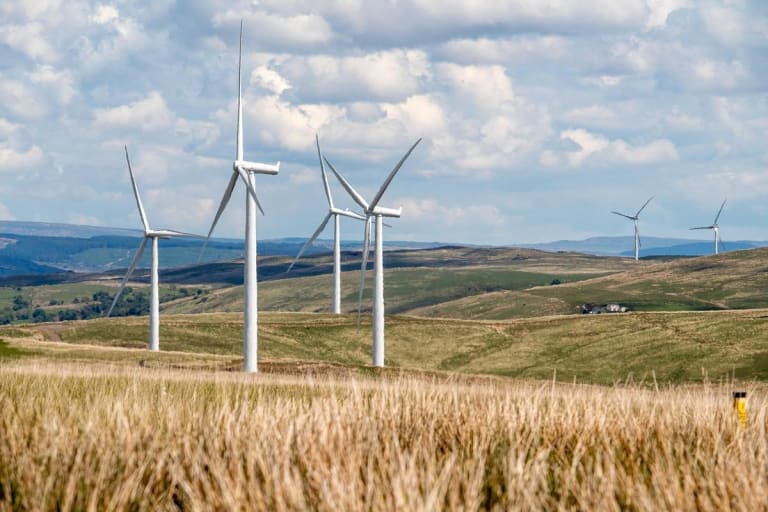
In addition to deforestation, the expansion of renewable energy projects is supported by 53% of respondents. Eliminating dependence on fossil fuels has the backing of 86% of the population.
However, trust in the current administration is low, with 68% believing that the government does not have a clear plan to confront the climate crisis.
A Scenario of Opportunities and Challenges
The survey also addressed sensitive topics such as oil exploration in the Amazon Mouth. There is a division in public opinion, with 41% agreeing with increased production and 29% completely disagreeing.
Suely Araújo, public policy coordinator at the Climate Observatory, emphasizes the challenge of converting this collective awareness into political action:
The challenge is to transform this collective concern into votes, electing representatives committed to the climate agenda and preventing the rise of deniers.
The scenario points to an increasingly aware and demanding electorate, pushing for a more sustainable and resilient future. The ability of future leaders to meet these demands will be crucial for the country’s development.