Brazil is facing a growing challenge in the integration of renewable sources: energy curtailment has reached critical levels in 2026, signaling bottlenecks in the national power infrastructure.
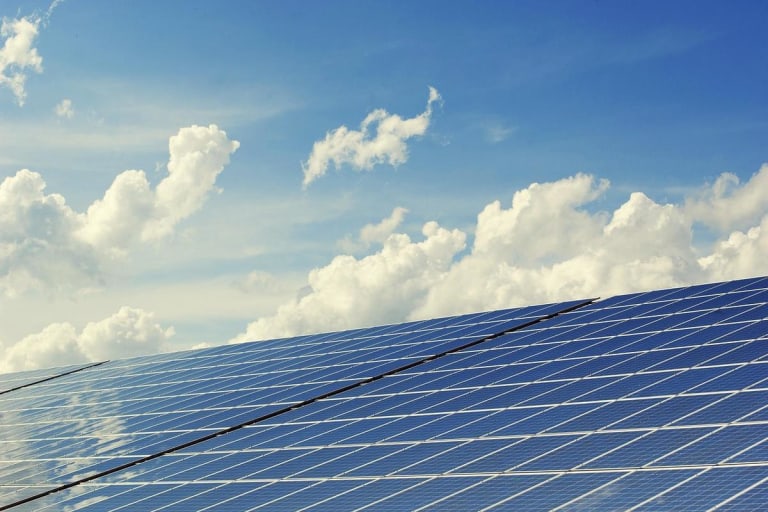
Brazil’s energy transition is experiencing a moment of contradiction. While the country is expanding its clean energy generation capacity, the transmission grid is struggling to absorb the full output. Between January and August 2026, data from the consultancy Volt Robotics reveal a concerning scenario: Brazil recorded 51 days where the blockage of wind and solar generation exceeded 60% of potential production.
This figure represents a significant increase of 21 days compared to the same period in 2025. In practice, the national power system is increasingly blocking renewable energy, raising questions about the efficiency of energy planning and the capacity to transport the power produced, especially in the Northeast, the hub for most of this generation.
The challenge of system operation
The technical term curtailment, widely used by the ONS (National Electric System Operator), refers to the deliberate interruption of generation to ensure grid security. However, the volume of 3,853 average megawatts curtailed in the first eight months of 2026 exposes the weaknesses of the grid.
“Brazil has invested billions in renewable generation, often incentivized by public policy, but today it must shut down these plants because of a lack of planning to ensure the delivery of the generated energy to consumers. As a result, we are wasting clean, cheap energy and enormous potential for the country,” says Donato Filho, CEO of Volt Robotics.
It is important to note that this “lost energy” refers to production that the system failed to utilize. The causes are multifactorial: technical problems in transmission lines, saturation of transport capacity, or oversupply during periods of low demand.
Economic impact and future outlook
The financial dimension of the problem is significant. According to the report, the estimated unrealized revenue for generators could reach as much as R$ 13.1 billion since 2021, depending on the contractual metric used. However, the electric sector continues to debate this interpretation of “loss,” as the energy, technically, was never actually generated or consumed.
To mitigate these losses and improve the utilization of renewable sources, the Ministry of Mines and Energy has moved forward with the regulation of the Commitment Agreement for financial compensation. The future of the sector, however, depends on deeper structural actions. Experts point out that the solution inevitably involves robust investment in new transmission lines, energy storage solutions, and greater operational flexibility for plants to align supply with the actual demand of Brazilian consumers.