
President Lula signs law boosting the data center sector with a special tax regime.
In a strategic move to foster technological development and attract investment, President Luiz Inácio Lula da Silva has signed the Redata Law into effect without vetoes. The new legislation establishes a Special Tax Regime specifically for data center services, a critical sector for the digital economy.
The presidential sanction marks a significant milestone for the expansion and modernization of information technology infrastructure in Brazil. The measure aims to make the country more competitive on the global stage by incentivizing the installation of new data processing and storage facilities. The government will complement this initiative by publishing a regulatory decree and a specific ordinance.
New Guidelines for Data Center Energy Sources
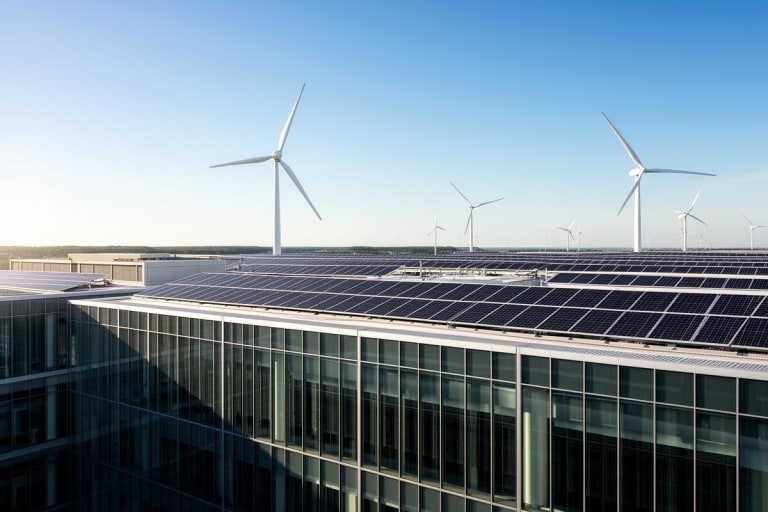
Future regulations will play a key role in defining the energy sources permitted to meet the power demands of data centers. A notable point is the potential to endorse the use of natural gas as one of the eligible low-emission sources. This guideline seeks to balance the need for reliable, high-performance energy with goals for sustainability and emission reductions.
The inclusion of natural gas, when used efficiently, aligns with the energy transition by offering an alternative with a lower environmental impact compared to more polluting fossil fuels. The objective is to ensure that data centers—which are major energy consumers—operate more cleanly and efficiently, strengthening Brazil’s competitiveness in attracting new investments in digital and technology infrastructure.
The approval of the Redata Law signals the government’s commitment to fostering a favorable business environment for the technology sector. With regulations underway, a significant boost in the installed capacity of data centers in the country is expected, creating jobs, driving innovation, and strengthening Brazilian digital sovereignty. The anticipation of including sources like natural gas in the energy mix for these technological complexes demonstrates a forward-looking vision that balances economic development with environmental responsibility.