The energy market is feeling the impact of weather and hydrological conditions, with October contracts on the BBCE registering a significant 15.44% decline in value.
The free energy market has undergone a significant correction in recent days. According to data from the BBCE (Brazilian Energy Trading Desk), futures contracts maturing in October recorded a 15.44% retraction. This decline in trading essentially reflects a shift in perspective regarding the fundamentals governing energy prices in Brazil.
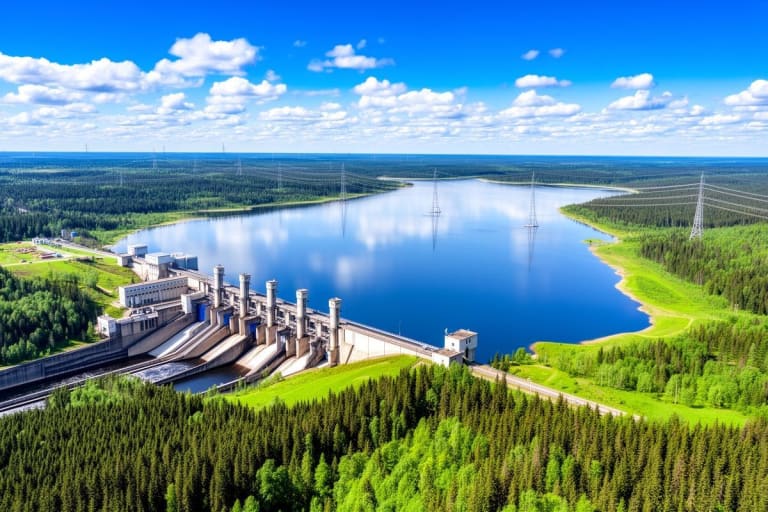
The primary driver behind this devaluation is the improvement in hydrological conditions observed recently. A more favorable rainfall scenario, combined with milder temperatures in the South and Southeast regions—major consumption hubs—has reduced the pressure on thermal power generation. With less need to dispatch more expensive power plants, the market has adjusted its short-term price expectations.
Free Market Dynamics and Outlook
Technical analysis of the sector indicates that the asset for October saw the sharpest negative variation during the period. For players in the Free Energy Market, this movement is a clear barometer of how meteorology directly influences the prices practiced at trading desks. The expectation of a more comfortable energy supply, supported by weather patterns, has provided temporary relief to industrial and commercial consumers operating in the free contracting environment.
The retreat in futures prices signals that the market is pricing in a more optimistic scenario, where rainfall levels and moderate consumption avoid tariff spikes and ensure greater operational predictability for players in the electric power sector.
Looking to the near future, the sector is expected to continue closely monitoring the evolution of reservoirs. Although the current drop provides breathing room for buyers, volatility is an inherent characteristic of the Energy Contracts traded on the BBCE. The next round of negotiations will invariably depend on confirmed meteorological data for the end of the year and the generation capacity of hydroelectric plants, keeping the sector in a constant state of analysis and strategic adaptation.