
The MME has opened a public consultation for CBIO targets until 2036, anticipating 665.11 million credits. This initiative is crucial for decarbonization and the advancement of sustainable energy in Brazil.
The Ministry of Mines and Energy (MME) has taken a strategic and fundamental step for the future of Brazil’s energy matrix. In a move that reinforces the country’s commitment to sustainability and energy transition, a public consultation has been opened to define the ten-year targets for Decarbonization Credits (CBIOs). These goals will extend from 2027 to 2036, paving a clear path for emission reduction in the fuel sector.
The initiative projects the acquisition of an expressive volume of 665.11 million CBIOs by fuel distributors over the period. This ambitious amount not only consolidates Brazil’s role at the forefront of clean energy but also establishes firm guidelines for greener and more efficient development in the coming decades, aligned with global expectations for combating climate change.
RenovaBio and the Mechanics of CBIOs
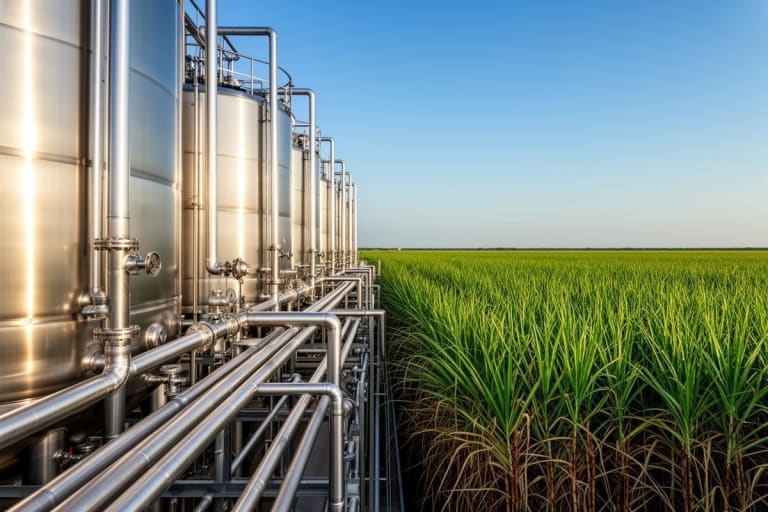
CBIOs are the material pillar of the National Biofuel Policy (RenovaBio), a governmental program that sets decarbonization targets for petroleum-derived fuel distributors. The main objective is to foster the production and consumption of biofuels, such as ethanol, biodiesel, and biomethane, by encouraging investments in the sector.
The dynamic is simple, yet effective: fuel distributors are obligated to acquire these credits.
On the other hand, biofuel plants certified for sustainable production are responsible for issuing the CBIOs. Each credit represents proof that one ton of carbon dioxide has been prevented from being released into the atmosphere, considering the entire lifecycle of biofuel production.
Ambitious Goals for the Next Decade
The targets proposed by the MME demonstrate a progressive escalation in the requirement for CBIOs and, consequently, in emission reduction. In 2027, the sector is expected to acquire 56.00 million credits, resulting in a 6.3% reduction. This number grows year by year, reflecting the program’s ambition.
The projection culminates in 2036, with the requirement of 74.16 million CBIOs. This corresponds to a significant 12.1% reduction in the segment’s emissions. This upward trajectory seeks to ensure that Brazil not only meets its environmental commitments but also positions itself as a relevant player in the renewable energy landscape.
This long-term projection for CBIOs is vital for providing market predictability and ensuring the necessary investments in biofuel production, consolidating Brazil as a leader in decarbonization and renewable energy.
The public consultation is a crucial opportunity for the productive sector, experts, and society in general to contribute to the improvement of these targets. Interested parties can submit their considerations until October 29, actively participating in the construction of the future of clean energy in the country.
The definition of these ten-year targets represents an important milestone for the National Biofuel Policy and for the future of sustainable energy in Brazil. By setting a clear horizon until 2036, the MME sends a signal of predictability to the market, stimulating new investments and innovation in the biofuel segment.
This move reinforces the country’s role at the forefront of decarbonization and boosts the green economy, generating jobs and developing clean technologies. The consolidation of the CBIO market is essential for Brazil to continue being a global protagonist in offering energy solutions that reconcile economic growth with environmental responsibility.