The new Jaguaré Transfer Station in São Paulo uses cutting-edge technology to optimize waste management, reduce pollutant emissions, and boost logistical efficiency in urban collection, benefiting over 1.3 million people.
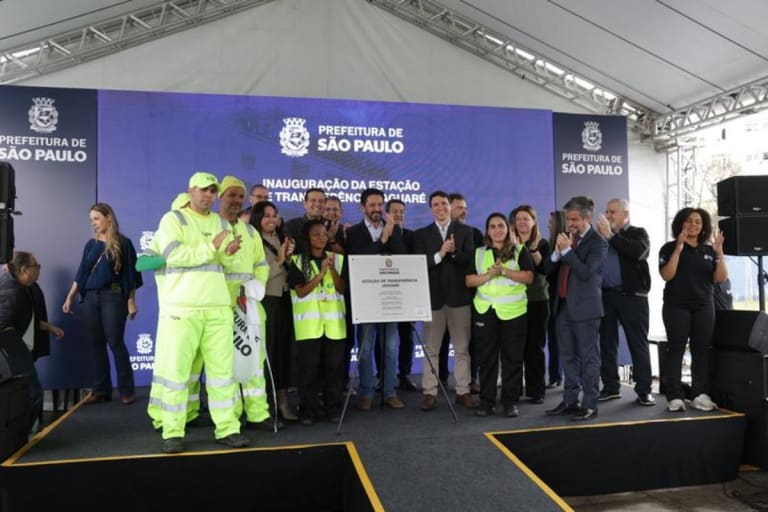
São Paulo City Hall took a significant step towards modernizing urban infrastructure with the inauguration of the Jaguaré Transfer Station. The facility, which operates under the regulation of SP Regula, was designed to optimize the logistics of household solid waste and healthcare waste in the Northwest Region of the São Paulo capital.
With an investment of R$180 million made by Loga, the concessionaire responsible for the service, the project focuses on sustainability and operational efficiency. The facility not only modernizes material disposal but also directly mitigates the environmental impacts caused by the heavy vehicle fleet, marking a new chapter for the clean energy sector and urban management.
Logistical Efficiency and Urban Innovation
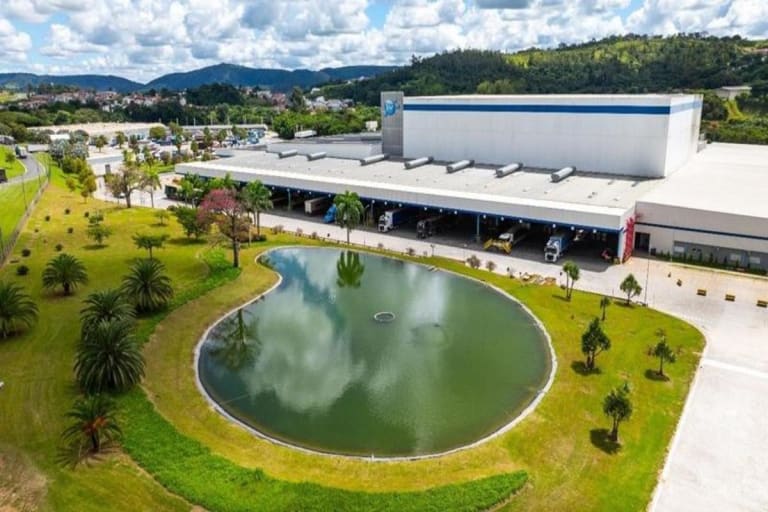
Covering an area of 12,458 m², the station has the capacity to process up to two thousand tons of waste per day, serving 148 collection sectors. The system functions as a logistical hub: compacting trucks operating in neighborhoods unload material at the facility, which is then transferred to large transfer trailers bound for the licensed landfill in Caieiras.
This strategic dynamic allows collection trucks to return to their original routes more quickly, significantly reducing heavy vehicle traffic on urban roads and optimizing operational time.
Sustainability and Environmental Commitment
One of the new facility’s distinguishing features is its commitment to reducing pollutant gas emissions. According to Mayor Ricardo Nunes, the infrastructure is projected to save 2,500 liters of diesel daily, which directly reflects a decrease in the municipal operation’s carbon footprint.
“The facility will allow for savings of approximately 2,500 liters of diesel per day, contributing to the reduction of operational emissions. This measure also helps improve air quality and address challenges related to climate change.”
In addition to saving fossil fuels, the station was equipped with cutting-edge technologies for the comfort of the neighborhood. The enclosed building features a negative pressure system and activated carbon filters that constantly refresh the air, while acoustic tiles ensure rigorous control of noise and odors.
Impact on Quality of Life
The project is a clear example of how technology can be integrated into the infrastructure of smart cities. By serving over 380 neighborhoods and benefiting approximately 1.3 million people, the station demonstrates the importance of continuous investments in waste management.
The president of Loga, Domenico Granata, highlighted the operational versatility of the facility:
“Each one of these transfer trailers eliminates the need for three compacting trucks to operate within the city. This improves traffic, increases efficiency, and enhances the quality of our collection service.”
This initiative reinforces the trend of seeking cleaner and smarter solutions for urban growth, aligning logistical efficiency with environmental preservation. The expectation is that this model will serve as a reference for future interventions focused on sustainable development and continuous improvement of essential public services.