
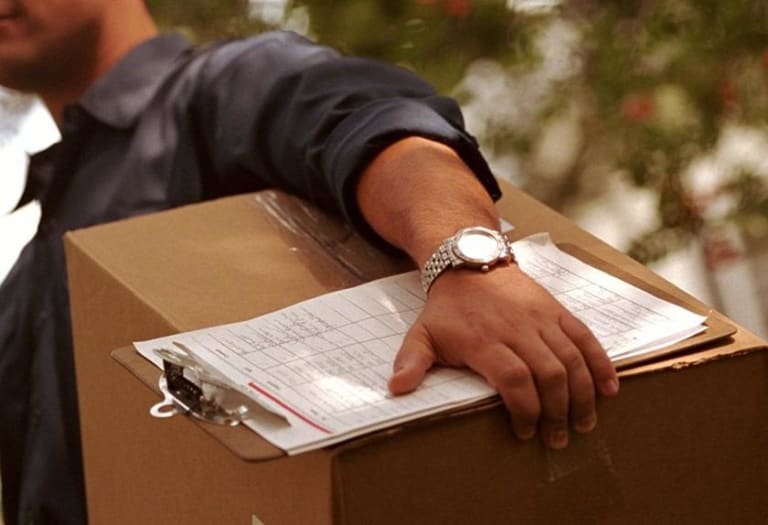
Small businesses boost logistics with pickup points, registering a significant increase in usage.
The Brazilian logistics landscape witnessed a significant shift in the first half of 2026, driven by Small and Medium-sized Enterprises (SMEs). The use of commercial establishments as strategic points for posting and collecting orders, known as PUDOs (Pick-up and Drop-off points), has become an increasingly common and essential practice for the competitiveness of these companies.
According to the 5th Logistics Map by Loggi, the shipping method through these reception points showed a remarkable growth of 53% compared to the same period last year. This expansion led PUDOs to now account for 39% of all shipments made by SMEs, demonstrating the trust and effectiveness this logistics solution offers.
The adoption of pickup points by SMEs is not just a passing trend, but a consolidated strategy that reflects the pursuit of greater flexibility and autonomy in managing their operations.
In an increasingly digital and competitive market, such as national e-commerce, SMEs see logistics optimization as a true competitive differentiator. Juliana Fracchia, executive director at Loggi, emphasizes that this model allows companies to quickly adapt to market demands and improve their routines.
Regional Decentralization and Reach
One of the most relevant points from Loggi‘s study is the finding of a strong decentralization of SME operations compared to large retail chains. While over 67% of large brands’ shipments originate in São Paulo, SMEs show a broader geographical distribution. Only 40% of their shipments depart from the state capital, opening room for growth in other states.
Santa Catarina emerges as a growth hub, leading the increase in overall shipments with 24%. Other states such as Rio Grande do Sul (23%), Paraná (17%), the Federal District (10%), and Ceará (4%) also showed significant increases.
This extensive reach demonstrates SMEs‘ ability to reach consumers in various regions, with a highlight on the South Region (26% of departures), Central-West (6%), and Northeast (4%), showing a significant presence outside the traditional Rio-São Paulo axis.
Growing Categories and Delivery Efficiency
The survey also details the product categories that most boosted shipments. In the first half of 2026, sectors such as Furniture and Home Decor showed an impressive increase of 105%, followed by Non-Perishable Foods (+25%) and Optics (+20%). Commemorative periods, such as Consumer Day and Valentine’s Day, kept categories like Cosmetics, Perfumery, and Apparel at the top of sales.
Delivery efficiency was another strong point highlighted. Logistics operations covered a vast network of 17.5 million kilometers. The study reveals that over one-third of packages reached their destination within two days, and half of all orders were delivered in a maximum of three days. This delivery speed, which reached over 5,000 Brazilian municipalities, reinforces the crucial role of pickup points in consolidating SMEs‘ logistics strategies.