
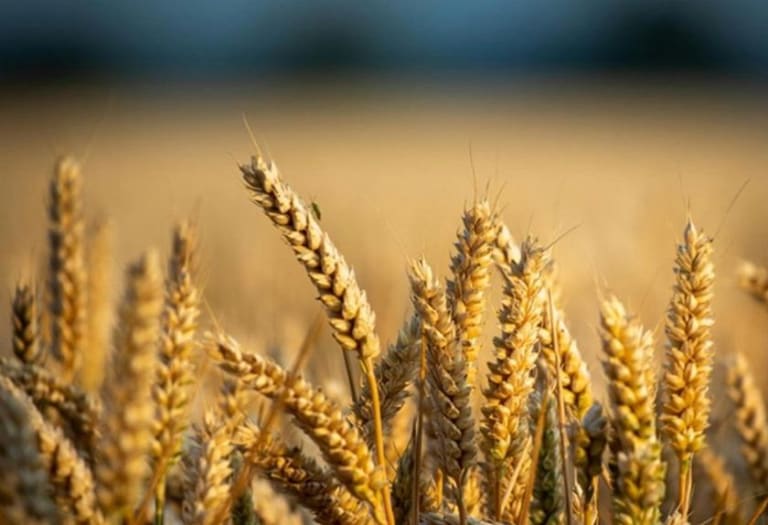
Embrapa showcases the future of irrigated wheat in the Cerrado, promising record harvests.
The pursuit of more resilient and profitable agricultural production is gaining momentum in the heart of Brazil. Embrapa, in partnership with Coopa-DF, held a technical event at the Federal District Directed Settlement Program (PAD-DF), bringing together producers and experts to present innovations in irrigated wheat. The meeting served as a showcase for the crop’s growing potential in the Cerrado, which already spans approximately 400,000 hectares nationwide.
The expansion of wheat cultivation in the region is a tangible reality, with optimistic projections pointing toward the one-million-hectare mark in the coming years. This growth is driven by factors such as the high productivity achieved and the strategic opportunity to supply the market with grain during the national off-season, ensuring greater stability in supply and prices.
Genetic Advances and Management for Success
Embrapa Cerrados researcher Julio Albrecht guided the event, detailing the evolution of wheat farming in the region. He highlighted the importance of timing for planting, noting that the ideal sowing window extends from April to the end of May, with the latter being the most favorable period for high-yield harvests.
The sowing window runs from April to the end of May, but generally speaking, May offers the best conditions for achieving high productivity.
The guidelines presented focused on cultivars that stand out for their adaptation to the Cerrado climate and their efficiency in irrigation systems. Choosing the right planting time, preferably in the first half of May at altitudes above 500 meters, is crucial to mitigating the risks of fungal diseases and ensuring that the harvest occurs under conditions of lower rainfall.
Promising Cultivars and Production Strategies
Among the highlights of the event was the BRS 264 cultivar. As the leader in planted area in the Cerrado, it is characterized by its short cycle, ranging from 110 to 120 days, and impressive productivity records that can reach 9.6 tons per hectare. Another promising option is BRS Savana, known for its resilience to heat and drought, with reported yields of up to 145 bags per hectare in irrigated fields.
For the biscuit industry, BRS Cracker presents specific characteristics, such as lower gluten strength and softer grains, opening new market opportunities for producers. Beyond genetic selection, strategic management was a central theme, with recommendations on planting density between 400 and 450 seeds per square meter, nutrition focused on the first 35 days after emergence, and the use of growth regulators to prevent lodging, ensuring crop health.
The presentation of these technologies and cultivars by Embrapa and Coopa-DF reinforces their commitment to innovation in Brazilian agribusiness. The development of irrigated wheat in the Cerrado not only strengthens national production but also positions Brazil as an increasingly relevant player in the global grain market, with a promising future and harvests that reflect the true potential of Brazilian soil.