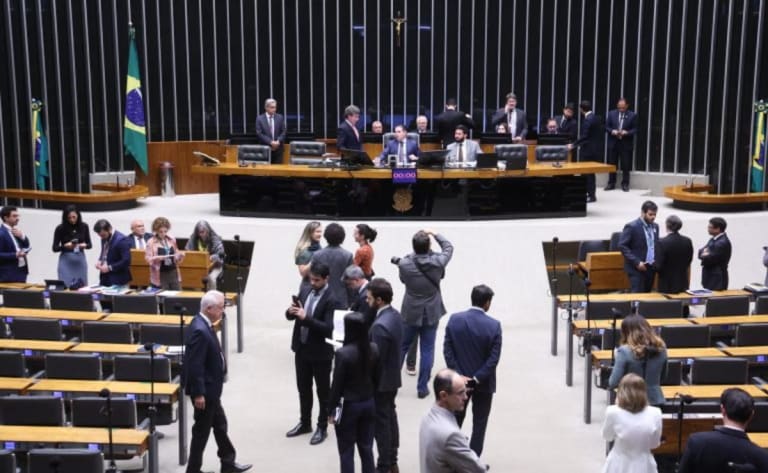
The Chamber of Deputies has enabled exceptions to fiscal strictness for 2026, focusing on incentives for strategic sectors, public health, and assistance to small Brazilian municipalities.
In a significant vote this Thursday (3), the Chamber of Deputies approved a bill that relaxes fiscal rules for mandatory expenses and tax benefits planned for the 2026 fiscal year. The measure, which has already been cleared by the Senate and now moves to the Executive Branch for sanction, establishes strict control: the application of these exceptions is conditional upon the existence of budget provisions or the implementation of effective compensation mechanisms.
The approved text, which received 346 votes in favor, stems from the substitute proposal presented by Congressman Isnaldo Bulhões Jr. (MDB-AL) to Complementary Bill (PLP) 74/26, originally authored by Congressman on leave José Guimarães (PT-CE).
Strategic sectors and social assistance
The bill’s rapporteur highlighted that the relaxation aims to strengthen crucial pillars for the country’s development. Among the sectors covered are free trade zones and the technology segment, particularly the installation of data centers, which require a competitive tax environment to attract foreign investment.
In addition to economic development, the project reinforces social commitment by expanding exceptions for Pronon and Pronas, federal programs that are fundamental for financing cancer control efforts and support for people with disabilities.
Tax relief and municipal support
The new legislation also covers the insurance market. Local reinsurance companies will benefit from tax relief measures regarding Corporate Income Tax (IRPJ) and the Social Contribution on Net Profit (CSLL). According to the rapporteur, this initiative is vital to maintaining economic sustainability without abandoning fiscal responsibility.
Another highlight is the support for smaller municipalities. Cities with up to 65,000 inhabitants have been exempted from bureaucratic requirements for receiving voluntary transfers. As explained by Isnaldo Bulhões Jr., the measure aims to reduce technical bottlenecks that often prevent these city halls from accessing important resources for local administration. Despite these exemptions, the text maintains its commitment to the primary result target for 2026, ensuring the balance of public accounts.