
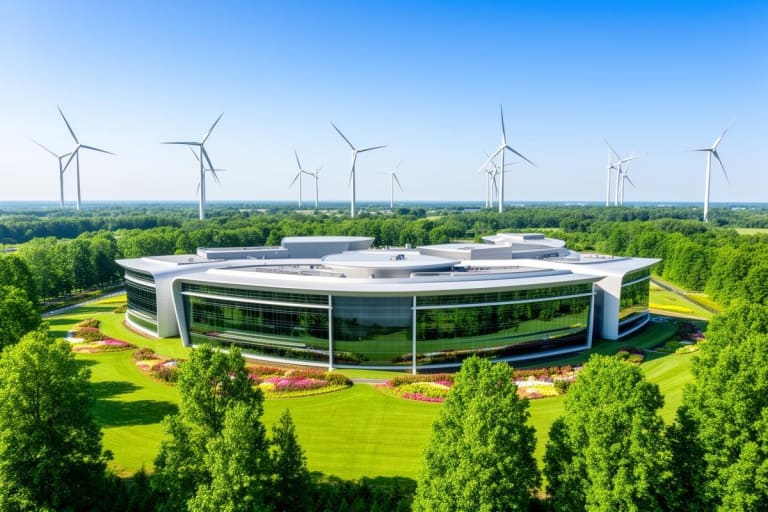
Brazil is emerging as a global player in the technology sector, combining its sustainable energy matrix with the growing demand for high-performance and efficient data center infrastructure.
The global technology landscape is undergoing an accelerated transformation, driven by the increasing need for data processing and artificial intelligence. In this context, Brazil is emerging as a strategic destination, consolidating its position as a fundamental hub for the expansion of data centers. The key to this leadership lies in the country’s ability to integrate its vast supply of clean energy with the digital infrastructure needed to serve global corporations.
Moving away from treating sustainability and connectivity as isolated agendas is the great competitive advantage of the Brazilian market. By offering a robust network of renewable energy, the country addresses one of the biggest bottlenecks for major tech companies: the search for stable and environmentally responsible sources to power electricity-intensive operations.
The convergence of energy and infrastructure
The digital transition requires constant and growing energy consumption. Unlike other nations that rely heavily on fossil fuels, Brazil leverages its energy mix, which is primarily composed of hydroelectric, wind, and solar sources. This profile not only attracts foreign investment but also guarantees a significant operational advantage for companies with strict decarbonization goals in their ESG plans.
The integration between renewable energy generation and support for large-scale data centers is the pillar that sustains the new chapter of Brazilian technological development, transforming natural resources into digital value.
Competitive advantages for the national market
The green technology sector in the country is gaining momentum with the installation of new data processing hubs in strategic regions. Stable supply, combined with competitive renewable energy costs, creates an attractive ecosystem for international investors. This movement strengthens the local ecosystem and positions Brazilian digital infrastructure as a benchmark in operational efficiency and environmental responsibility.
Projections for a connected future
The future points to continuous expansion, where Brazil will not just be a consumer of digital services, but an essential provider of infrastructure for the world. The focus now turns to maintaining this energy stability and investing in complementary technologies, such as battery storage systems and grid expansion. The union between technological innovation and environmental preservation ensures that the country will remain at the forefront of the global digital economy in the coming years.