Brazil’s energy market is undergoing a strategic transformation: the use of batteries to stabilize the grid and the high demand from data centers promise to drive new investments.
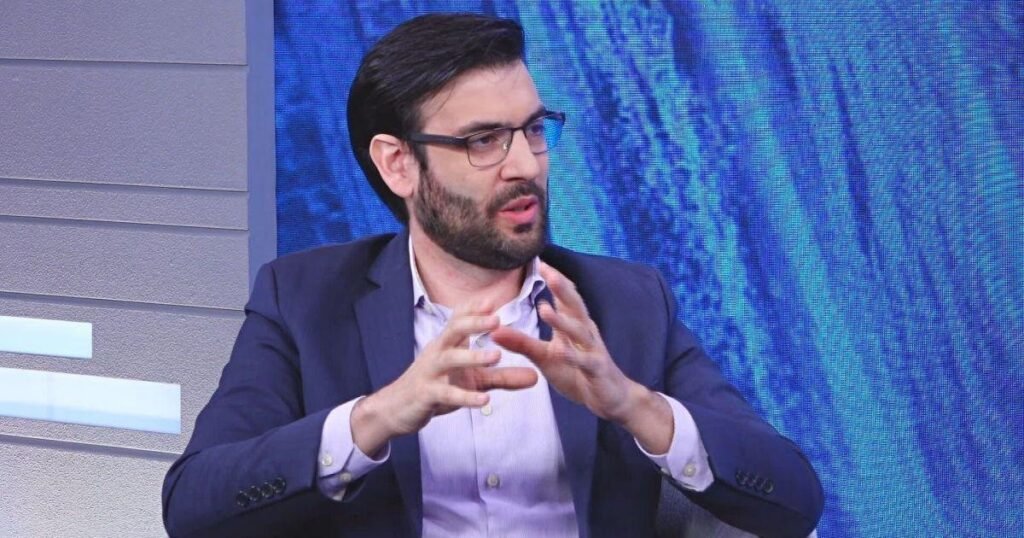
The Brazilian electricity sector is preparing for a new era of expansion, driven by two technological trends that promise to reshape the investment landscape: energy storage and the rise of digital infrastructure. According to Julio Meirelles, a specialist at Santander, the combination of these fronts is the answer to the country’s modern electricity supply and demand challenges.
Storage as a Pillar of Stability
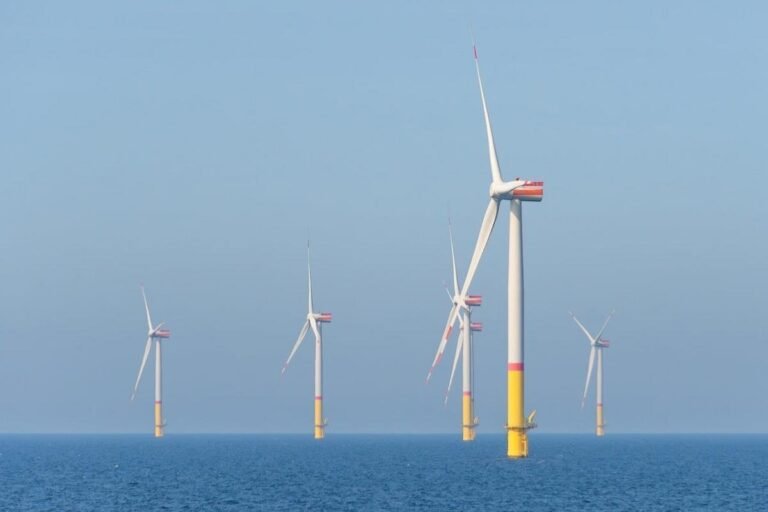
The growth of renewable sources, such as wind and solar, has brought with it the challenge of managing production peaks that do not always coincide with peak demand hours. It is in this scenario that batteries become essential. They act as a strategic reservoir, preventing energy waste and helping to reduce curtailment—the energy cut imposed by the ONS when the system cannot absorb all generation.
Regarding the future of the sector, Meirelles highlights market optimism:
The technology is necessary to address the supply and demand imbalance problem in Brazil, and batteries are here to solve it. The trend is for this to be implemented quickly and at scale. So, there will be significant investment allocated to this.
The expectation is so high that the first auction focused on batteries, scheduled for December, is already generating significant interest, with approximately 300 GW registered with the EPE.
Data Centers and the New Demand from Big Techs
In parallel, global digitalization has placed data centers at the forefront of energy consumption. These facilities require a continuous and robust supply, creating long-term contracts that stimulate the viability of new generation projects. Brazil is already observing concrete movements, such as the project by Omnia, from Pátria Investimentos, which serves the Chinese giant ByteDance (owner of TikTok) at Porto do Pecém, in Ceará, with energy supplied by Casa dos Ventos.
For the Santander executive, this synergy between electricity and technology still depends on regulatory adjustments:
The second is the energy market associated with digital infrastructure. The introduction of this agenda at scale and under competitive conditions requires legislative and regulatory initiative.
This paradigm shift replaces the profile of old electro-intensive industries, such as metallurgy, with a new group of consumers: technology companies. This flow not only ensures the flow of energy but also acts as a driver for financing and developing new generation sources, consolidating Brazil as a strategic destination for capital focused on sustainable infrastructure and cutting-edge technology.